Special Web Offer - Get 50% OFF!
Grab Your Deal Now
PlantSnap
Plant Care
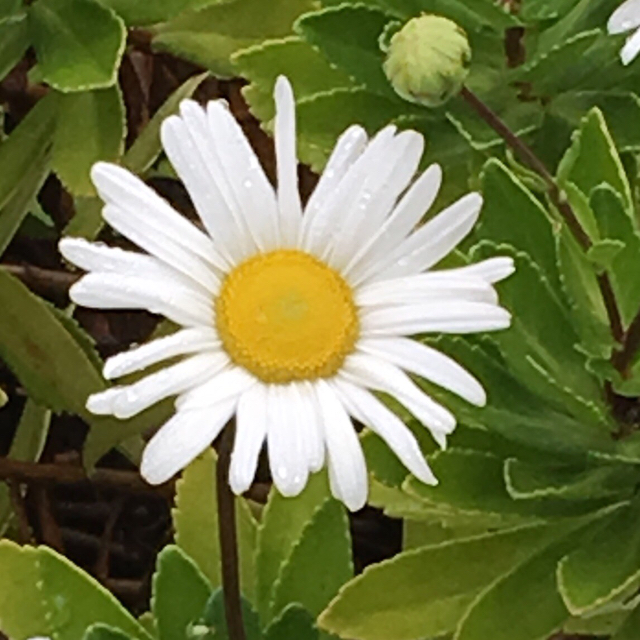
Oxeye daisy
(Leucanthemum vulgare)
Also Known As
Oxeye daisy, Marguerite daisy, White daisy, Common daisy
About This Plant
Leucanthemum vulgare, commonly known as the oxeye daisy, is a herbaceous perennial plant species that belongs to the family Asteraceae. It is native to Europe, but has been introduced to North America and other parts of the world.
Plant Care Instructions
Outdoor Size Range
12-36 inches (30-91 cm) tall, 12-24 inches (30-61 cm) wide
Light Requirements
Leucanthemum vulgare prefers full sunlight, but can tolerate partial shade.
Humidity Needs
The plant is not very sensitive to humidity levels and can tolerate a wide range of humidity levels.
Fertilizing Schedule
The plant does not require frequent fertilization, but can benefit from occasional feeding with a balanced fertilizer.
Pruning Guidelines
The plant does not require extensive pruning, but can benefit from deadheading spent flowers to promote new growth.
Common Pests and Diseases
Common pests that can affect Leucanthemum vulgare include aphids, spider mites, and leafhoppers. The plant is also susceptible to powdery mildew.
Indoor Size Range
N/A
Watering Schedule
The plant requires moderate watering, with the soil being allowed to dry out slightly between watering sessions.
Temperature Range
Leucanthemum vulgare can tolerate a wide range of temperatures, from as low as -40°F (-40°C) to as high as 100°F (38°C).
Growing Season
The plant blooms from late spring to early fall, with peak blooming occurring in mid-summer.
Growing Difficulty Level
Leucanthemum vulgare is relatively easy to grow and care for, making it a good choice for beginner gardeners.
USDA Hardiness Zones
Leucanthemum vulgare is hardy in USDA zones 3-9.
Did You Know?
The oxeye daisy is a popular wildflower in many parts of the world, but is considered an invasive species in some areas, including parts of North America.
