Special Web Offer - Get 50% OFF!
Grab Your Deal Now
PlantSnap
Plant Care
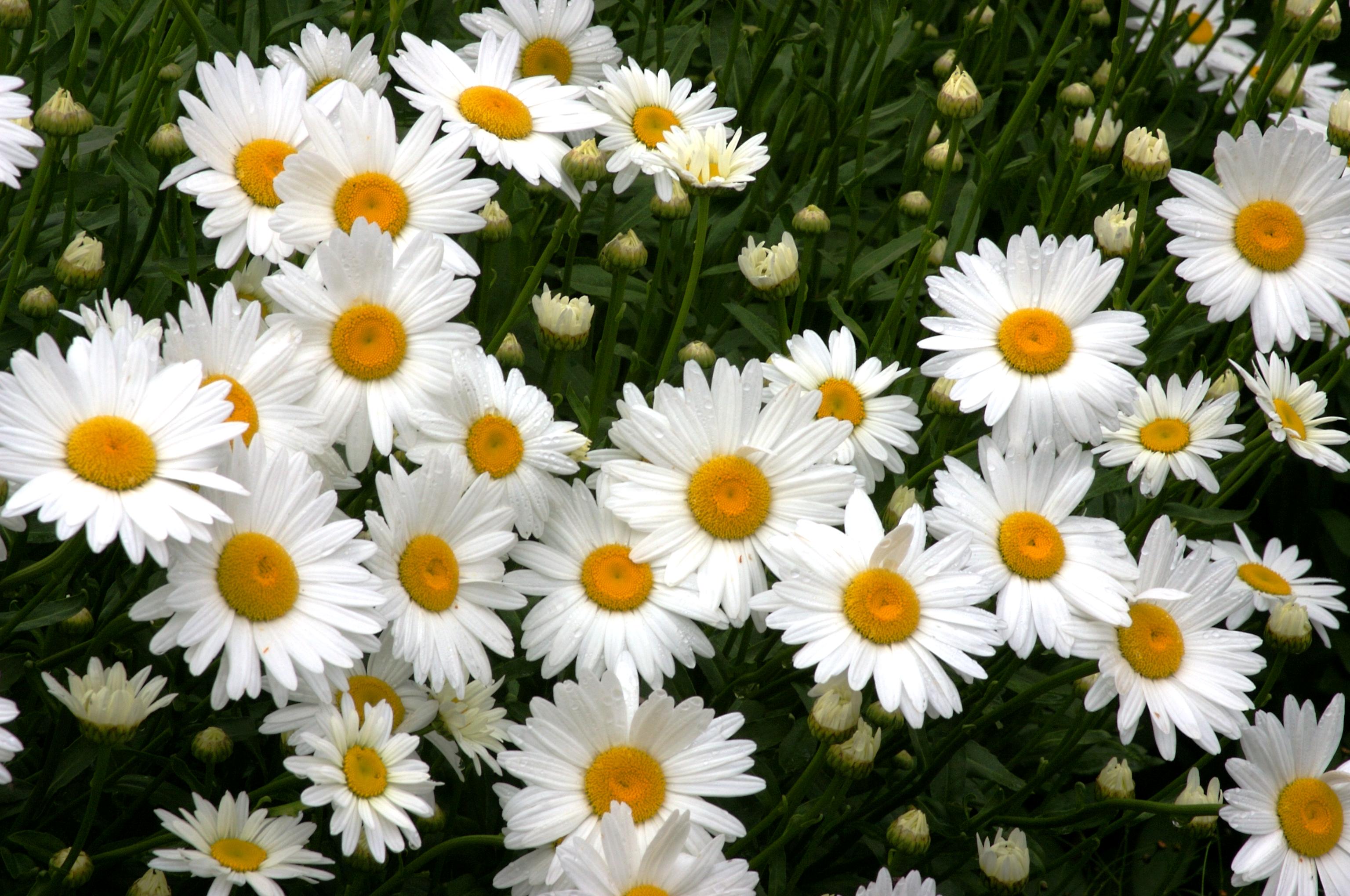
Shasta daisy
(Leucanthemum superbum)
Also Known As
Shasta daisy, White daisy, Kahill daisy
About This Plant
Leucanthemum superbum is a herbaceous perennial plant species in the family Asteraceae. It is native to Europe and Asia, but is widely cultivated in other parts of the world for its attractive flowers. The plant has a clumping habit and produces large, daisy-like flowers with white petals and yellow centers.
Plant Care Instructions
Outdoor Size Range
Height: 1-3 feet (30-91 cm), Spread: 1-2 feet (30-61 cm)
Light Requirements
Leucanthemum superbum prefers full sun but can tolerate partial shade.
Humidity Needs
Leucanthemum superbum does not have any specific humidity requirements.
Fertilizing Schedule
The plant benefits from regular fertilization with a balanced fertilizer during the growing season.
Pruning Guidelines
Deadheading spent flowers can encourage the plant to produce more blooms. The plant can be cut back in the fall to promote new growth in the spring.
Common Pests and Diseases
Leucanthemum superbum is generally not prone to pests or diseases, but can be susceptible to powdery mildew in humid conditions.
Indoor Size Range
Not suitable for indoor cultivation.
Watering Schedule
The plant requires regular watering, especially during hot and dry weather. However, it is important not to overwater as this can lead to root rot.
Temperature Range
The plant can tolerate a wide range of temperatures, but prefers cooler temperatures between 60-70°F (15-21°C).
Growing Season
The plant blooms from early summer to fall.
Growing Difficulty Level
Leucanthemum superbum is relatively easy to grow and maintain.
USDA Hardiness Zones
Leucanthemum superbum is hardy in USDA zones 4-9.
Did You Know?
The common name 'Shasta daisy' was given to the plant by the American horticulturist Luther Burbank, who developed many cultivars of the plant in the early 20th century.
