Special Web Offer - Get 50% OFF!
Grab Your Deal Now
PlantSnap
Plant Care
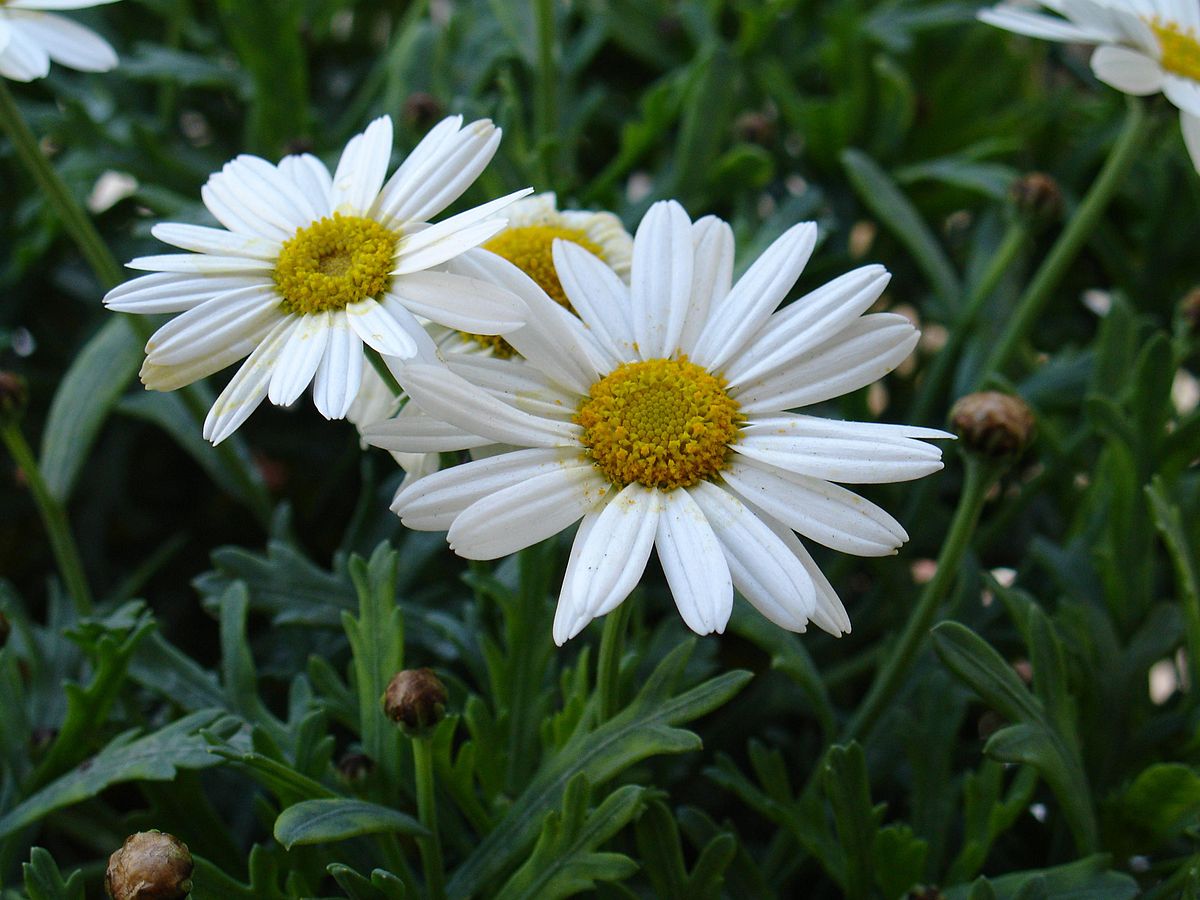
Shasta daisy
(Leucanthemum maximum)
Also Known As
Shasta daisy, Oxeye daisy, Moon daisy, Marguerite
About This Plant
Leucanthemum maximum is a herbaceous perennial plant with large daisy-like flowers. It is commonly known as the Shasta daisy and is native to North America. The plant has a clumping habit and can reach up to 3 feet (91 cm) in height with a spread of 2 feet (61 cm). The flowers are white with yellow centers and bloom in summer.
Plant Care Instructions
Outdoor Size Range
2-3 feet (61-91 cm) tall and 1-2 feet (30-61 cm) wide
Light Requirements
Shasta daisies require full sun to partial shade. They need at least 6 hours of direct sunlight per day to thrive.
Humidity Needs
Shasta daisies prefer moderate humidity levels. They can tolerate low humidity, but high humidity can cause fungal diseases.
Fertilizing Schedule
The plant benefits from regular fertilization during the growing season. Use a balanced fertilizer every 4-6 weeks to promote healthy growth and abundant flowering.
Pruning Guidelines
Deadhead spent flowers regularly to encourage the plant to produce more blooms. Cut back the entire plant to about 6 inches (15 cm) in late summer or early fall to promote new growth and prevent the plant from becoming too woody.
Common Pests and Diseases
Shasta daisies are relatively pest-free, but they can be susceptible to aphids, spider mites, and powdery mildew.
Indoor Size Range
Not suitable for indoor growth
Watering Schedule
The plant needs regular watering, especially during the hot and dry summer months. The soil should be kept moist but not waterlogged. Water deeply once a week or more frequently if the soil feels dry to the touch.
Temperature Range
The plant is hardy in USDA zones 4-9 and can tolerate a wide range of temperatures. It prefers cool to moderate temperatures and can suffer in hot and humid conditions.
Growing Season
The plant blooms in summer and early fall.
Growing Difficulty Level
Shasta daisies are easy to grow and maintain. They are suitable for beginner gardeners.
USDA Hardiness Zones
4-9
Did You Know?
The Shasta daisy was named after Mount Shasta in California, where the plant was first discovered in the 1800s.
