Special Web Offer - Get 50% OFF!
Grab Your Deal Now
PlantSnap
Plant Care
Sunset conebush
(Leucadendron discolor)
Also Known As
Sunset conebush, Mountain ash, Discolor leucadendron, Leucadendron
About This Plant
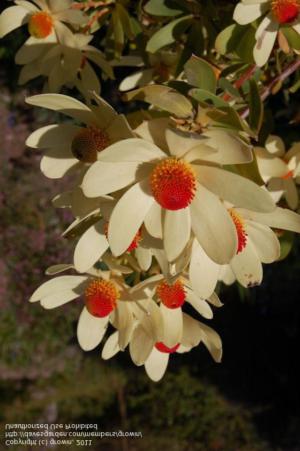
Leucadendron discolor is a species of flowering plant in the family Proteaceae, native to South Africa. It is a rounded, evergreen shrub that grows up to 6 feet (1.8 meters) tall and wide. The leaves are lance-shaped and gray-green in color, and the flowers are small and yellow-green, surrounded by showy pink or red bracts.
Plant Care Instructions
Outdoor Size Range
4-6 feet (1.2-1.8 meters)
Light Requirements
Leucadendron discolor requires full sun to partial shade. It prefers at least 6 hours of direct sunlight per day.
Humidity Needs
This plant does not have specific humidity requirements.
Fertilizing Schedule
This plant does not require fertilizer but can benefit from a slow-release, low-nitrogen fertilizer in the spring.
Pruning Guidelines
Prune in late winter or early spring to maintain shape and remove dead or damaged wood.
Common Pests and Diseases
Leucadendron discolor is generally pest-free but can be susceptible to root rot if overwatered.
Indoor Size Range
Not suitable for indoor cultivation
Watering Schedule
This plant is drought-tolerant but requires regular watering during the first year of growth. Once established, it can be watered every 2-3 weeks.
Temperature Range
Leucadendron discolor is hardy to USDA zones 9-10 and can tolerate temperatures as low as 20°F (-6°C).
Growing Season
Leucadendron discolor can be planted year-round in mild climates but is best planted in the spring or fall in colder climates.
Growing Difficulty Level
Leucadendron discolor is moderately difficult to grow and requires well-draining soil and protection from frost.
USDA Hardiness Zones
USDA hardiness zones 9-10
Did You Know?
Leucadendron discolor is commonly used in floral arrangements due to its unique and striking appearance.
