Special Web Offer - Get 50% OFF!
Grab Your Deal Now
PlantSnap
Plant Care
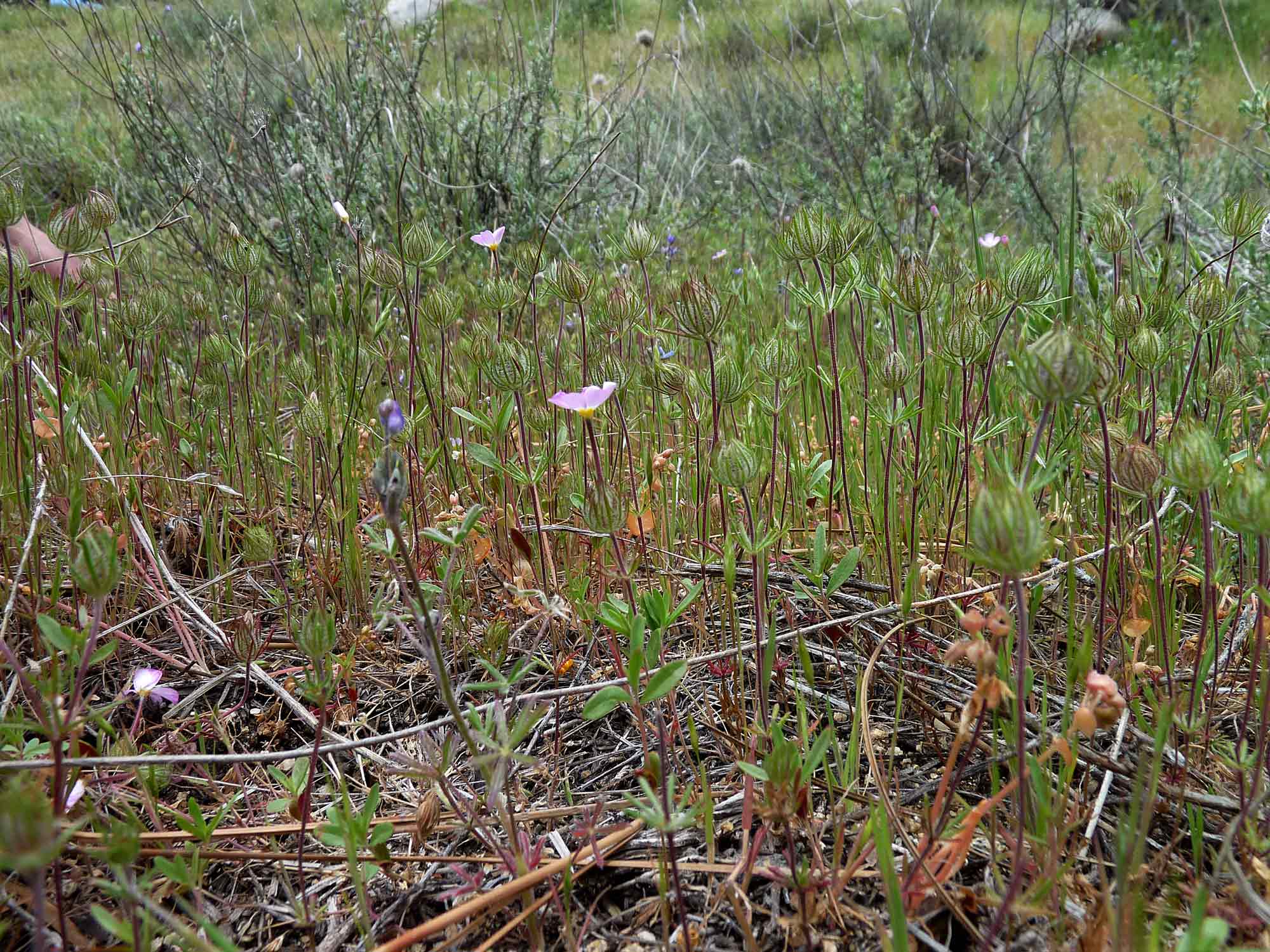
Mountain linanthus
(Leptosiphon montanus)
Also Known As
Mountain linanthus, Mountain leptosiphon, Mountain evening primrose
About This Plant
Leptosiphon montanus is a small annual wildflower that belongs to the Polemoniaceae family. It is a low-growing plant that produces clusters of small, delicate flowers in shades of pink, purple, and white. The plant is native to California and can be found growing in rocky or sandy soils in mountainous regions.
Plant Care Instructions
Outdoor Size Range
Height: 6 - 12 inches (15 - 30 cm), Spread: 6 - 8 inches (15 - 20 cm)
Light Requirements
Leptosiphon montanus prefers full sun to partial shade. It can tolerate some shade, but too much shade can cause the plant to become leggy and weak. In hot climates, some afternoon shade may be beneficial.
Humidity Needs
Leptosiphon montanus does not have any specific humidity requirements.
Fertilizing Schedule
The plant does not require much fertilization. A light application of a balanced fertilizer once a month during the growing season can help promote healthy growth.
Pruning Guidelines
Pruning is not necessary for this plant, but deadheading spent flowers can help prolong the blooming period.
Common Pests and Diseases
Leptosiphon montanus is generally not bothered by pests or diseases.
Indoor Size Range
Not suitable for indoor growing
Watering Schedule
The plant prefers well-draining soil and does not like to sit in water. Water the plant deeply once a week, or more often during hot, dry weather. Allow the soil to dry out slightly between waterings.
Temperature Range
The plant prefers moderate temperatures between 60-75°F (16-24°C). It can tolerate some heat, but too much heat can cause the plant to wilt and die.
Growing Season
Leptosiphon montanus blooms from late spring to early summer.
Growing Difficulty Level
Leptosiphon montanus is relatively easy to grow and care for. It is a good choice for beginner gardeners.
USDA Hardiness Zones
Leptosiphon montanus is hardy in USDA zones 6-10.
Did You Know?
The genus name 'Leptosiphon' comes from the Greek words 'leptos' meaning 'slender' and 'siphon' meaning 'tube', referring to the shape of the flowers.