Special Web Offer - Get 50% OFF!
Grab Your Deal Now
PlantSnap
Plant Care
Klip dagga
(Leonitis Nepetifolia )
Also Known As
Klip dagga, Lion's ear, Lion's tail, Nepeta-leaved leonitis
About This Plant
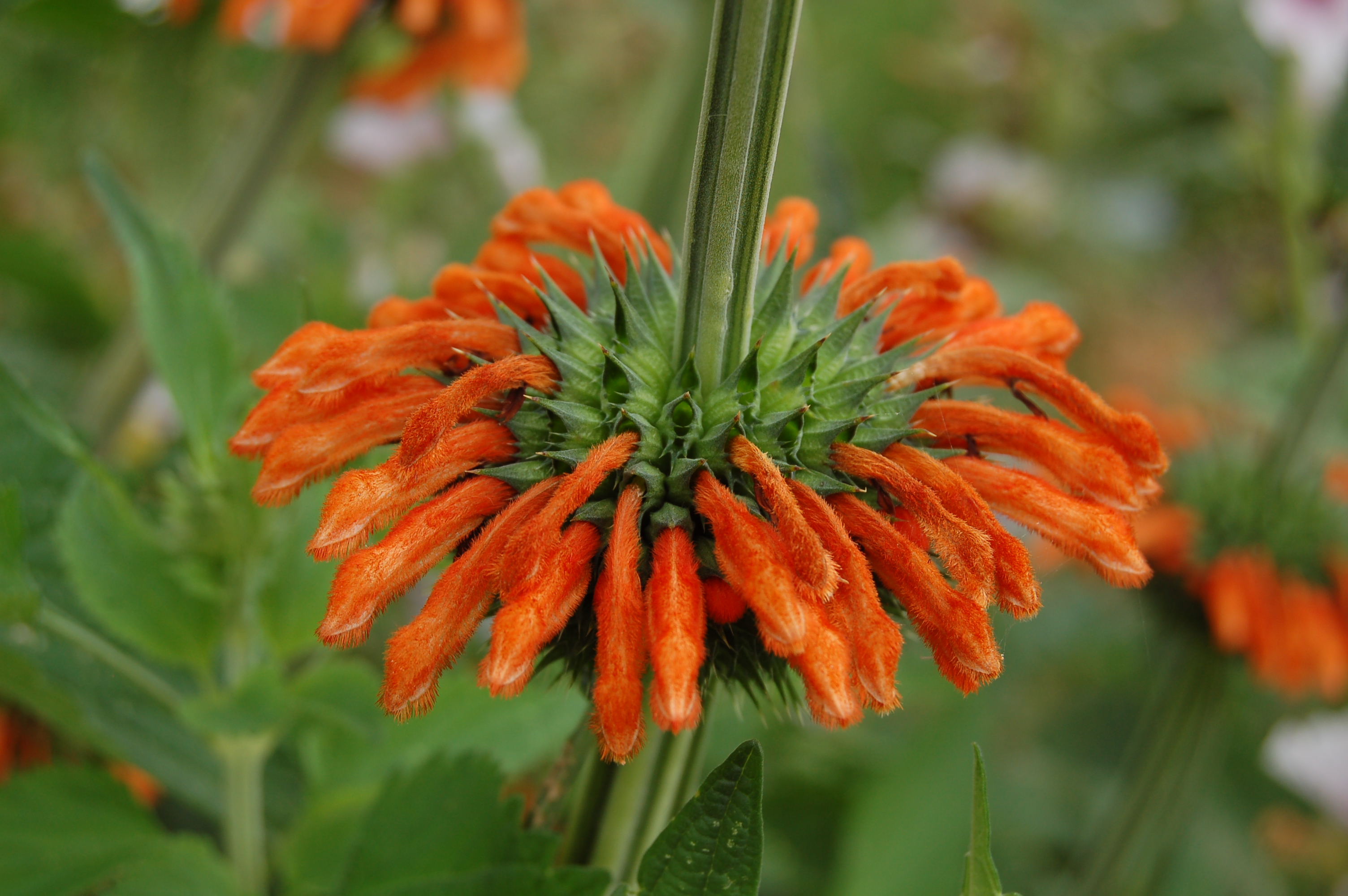
Leonitis Nepetifolia is a flowering plant species that belongs to the family Lamiaceae. It is commonly known as Klip dagga, Christmas candlestick, or Lion's ear. The plant is native to tropical Africa, Arabia, and India. It is an aromatic, perennial herb that grows up to 2 meters (6.5 feet) tall. The plant has an upright habit, with square stems and opposite leaves that are hairy and toothed. The flowers are tubular and orange, red, or yellow in color.
Plant Care Instructions
Outdoor Size Range
Up to 2 meters (6.5 feet)
Light Requirements
Klip dagga requires full sun to partial shade. It prefers bright light but can tolerate some shade.
Humidity Needs
Klip dagga prefers a dry environment and can tolerate low humidity levels.
Fertilizing Schedule
Klip dagga does not require frequent fertilization. However, a balanced fertilizer can be applied once a month during the growing season.
Pruning Guidelines
The plant benefits from regular pruning to promote bushier growth and to remove dead or damaged branches. Pruning should be done in the early spring before new growth appears.
Common Pests and Diseases
Klip dagga is generally pest-free but can be susceptible to spider mites and whiteflies. Regular monitoring and treatment with insecticidal soap can help control these pests.
Indoor Size Range
Not suitable for indoor growth
Watering Schedule
The plant prefers well-drained soil and moderate watering. It should be watered when the top inch of soil is dry to the touch. Overwatering can cause root rot.
Temperature Range
The plant prefers warm temperatures between 60-80°F (15-27°C). It cannot tolerate frost or freezing temperatures.
Growing Season
Klip dagga can be grown year-round in tropical climates. In colder climates, it can be grown as an annual during the summer months.
Growing Difficulty Level
Klip dagga is relatively easy to grow and care for. It can be propagated through seeds or cuttings.
USDA Hardiness Zones
Klip dagga is hardy in USDA zones 9-11.
Did You Know?
Klip dagga is known for its medicinal properties and has been used in traditional medicine to treat a variety of ailments, including coughs, colds, and fever. It is also used in some cultures as a recreational drug.
