Special Web Offer - Get 50% OFF!
Grab Your Deal Now
PlantSnap
Plant Care
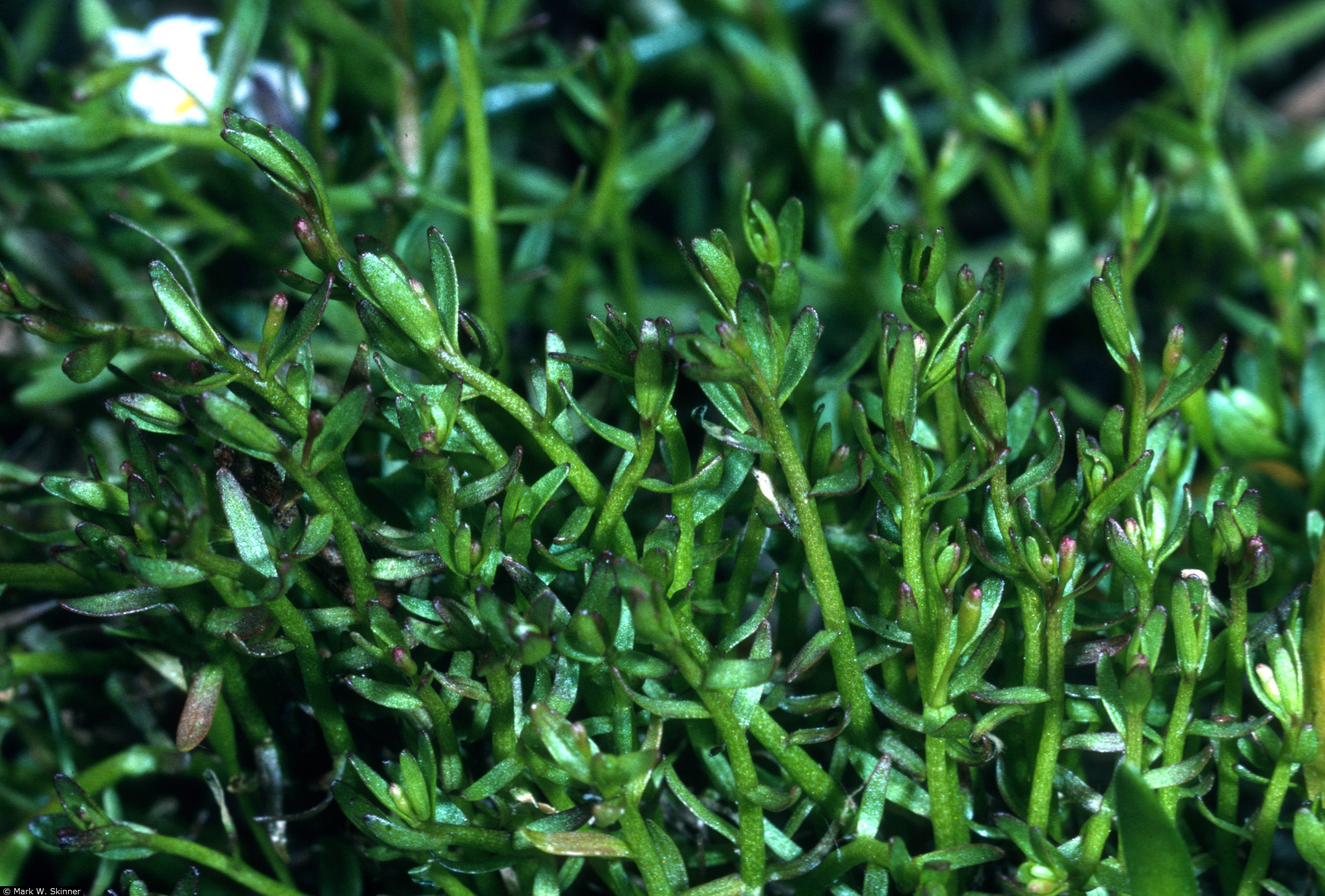
Valdivia bur-reed
(Legenere valdiviana)
Also Known As
Valdivia bur-reed, Valdivian river lily, Valdivia lily
About This Plant
Legenere valdiviana is a rare and endangered plant species that is native to the temperate rainforests of Chile. It is a small, evergreen shrub that can grow up to 3 feet (0.9 meters) tall and 2 feet (0.6 meters) wide. The plant has dark green, glossy leaves and produces small, white flowers in the spring and summer.
Plant Care Instructions
Outdoor Size Range
2-3 feet (0.6-0.9 meters)
Light Requirements
Legenere valdiviana prefers partial shade to full shade. Direct sunlight can scorch the leaves.
Humidity Needs
Legenere valdiviana prefers high humidity levels. Mist the plant regularly or place it on a tray of pebbles filled with water to increase the humidity around the plant.
Fertilizing Schedule
Fertilize the plant with a balanced fertilizer every 2-3 months during the growing season (spring and summer).
Pruning Guidelines
Prune the plant in the late winter or early spring to maintain its shape and size. Remove any dead or damaged branches.
Common Pests and Diseases
Legenere valdiviana is susceptible to spider mites, whiteflies, and aphids. Treat with insecticidal soap or neem oil.
Indoor Size Range
12-24 inches (30-60 cm)
Watering Schedule
The plant prefers moist soil, but it should not be waterlogged. Water the plant regularly, but allow the soil to dry out slightly between waterings.
Temperature Range
The plant prefers cool to moderate temperatures, between 50-70°F (10-21°C). It can tolerate slightly higher temperatures in the summer, but avoid exposing it to temperatures above 80°F (27°C).
Growing Season
The growing season for Legenere valdiviana is in the spring and summer.
Growing Difficulty Level
Legenere valdiviana is a moderately difficult plant to grow. It requires high humidity levels and cool to moderate temperatures, which can be challenging to maintain in some climates.
USDA Hardiness Zones
Legenere valdiviana is not rated for USDA hardiness zones, but it is best suited for cool, temperate climates.
Did You Know?
The leaves of Legenere valdiviana are used in traditional medicine in Chile to treat respiratory and digestive ailments.
