Special Web Offer - Get 50% OFF!
Grab Your Deal Now
PlantSnap
Plant Care
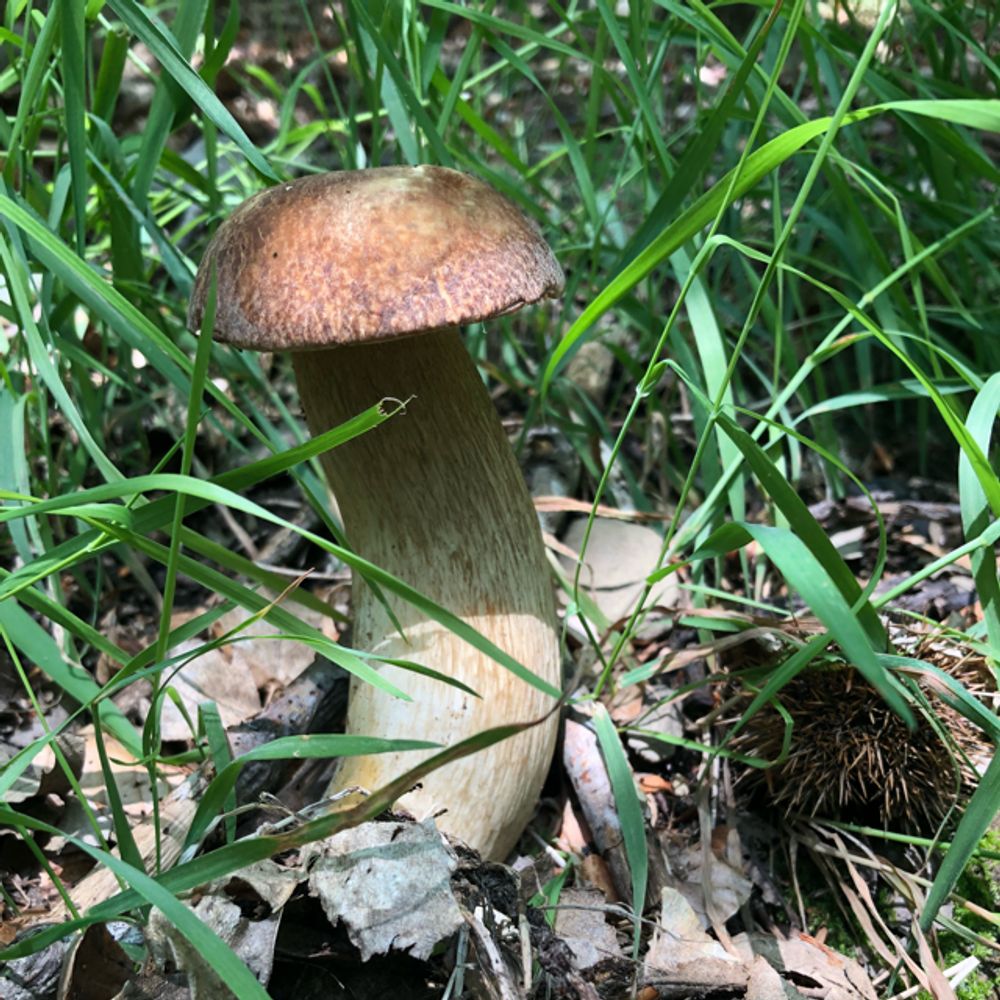
Birch bolete
(Leccinum scabrum)
Also Known As
Birch bolete, Scaber stalk, Scabrous bolete
About This Plant
Leccinum scabrum is a species of edible mushroom in the family Boletaceae. It is commonly known as the rough-stemmed bolete and is found in North America and Europe. The cap of the mushroom is reddish-brown, and the stem is typically covered in small, blackish scales.
Plant Care Instructions
Outdoor Size Range
Cap diameter ranges from 2-10 inches (5-25 cm) and stem height ranges from 2-8 inches (5-20 cm)
Light Requirements
Leccinum scabrum prefers partial to full shade. Direct sunlight can be harmful to the mushroom and cause it to dry out.
Humidity Needs
Leccinum scabrum thrives in high humidity environments. The ideal humidity range is between 75-85%.
Fertilizing Schedule
Fertilizer is not necessary for growing Leccinum scabrum as it obtains its nutrients from the soil.
Pruning Guidelines
Not applicable for mushroom cultivation.
Common Pests and Diseases
Common pests and diseases for Leccinum scabrum include slugs, snails, and bacterial infections.
Indoor Size Range
Not applicable for indoor cultivation
Watering Schedule
The rough-stemmed bolete requires moist soil to grow. The soil should be kept consistently damp, but not waterlogged.
Temperature Range
The rough-stemmed bolete grows best in cool temperatures between 50-65°F (10-18°C).
Growing Season
Leccinum scabrum typically grows in the late summer and early fall.
Growing Difficulty Level
Leccinum scabrum is a moderately difficult mushroom to grow due to its specific environmental requirements and susceptibility to pests and diseases.
USDA Hardiness Zones
Leccinum scabrum is not applicable for USDA hardiness zones as it is a mushroom species.
Did You Know?
Leccinum scabrum is a mycorrhizal fungus, meaning it forms a mutually beneficial relationship with the roots of certain trees, such as birch and oak. The mushroom helps the tree to absorb nutrients from the soil, and in return, the tree provides the mushroom with sugars produced during photosynthesis.
