Special Web Offer - Get 50% OFF!
Grab Your Deal Now
PlantSnap
Plant Care
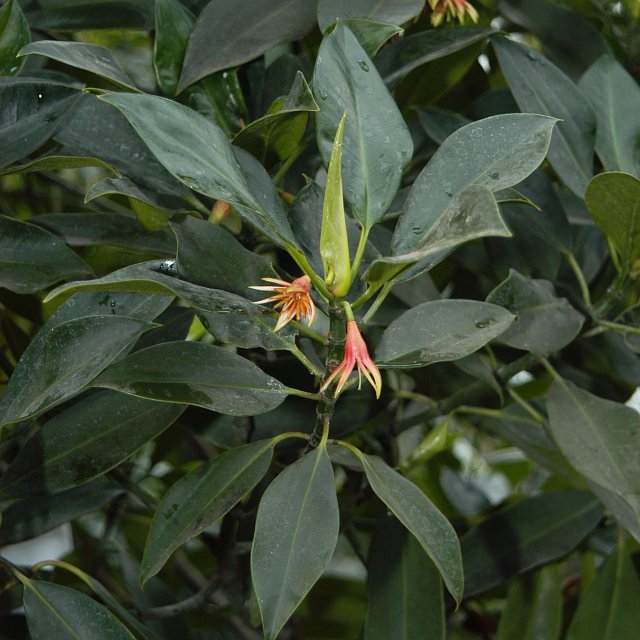
Large-leafed orange mangrove
(Bruguiera gymnorrhiza)
Also Known As
Large-leafed orange mangrove, Black mangrove, River mangrove, Loop-root mangrove
About This Plant
Bruguiera gymnorrhiza is a species of mangrove tree that grows in the intertidal zones of the Indo-West Pacific region. It is a small to medium-sized tree that can grow up to 25 m (82 ft) tall. It has a distinctive root system called 'pneumatophores' which grow vertically from the soil to allow the tree to breathe in oxygen. The leaves are oval-shaped and glossy green in color.
Plant Care Instructions
Outdoor Size Range
Up to 25 m (82 ft)
Light Requirements
Bruguiera gymnorrhiza requires full sun to partial shade for optimal growth. It can tolerate direct sunlight but may require some shade during the hottest parts of the day.
Humidity Needs
Bruguiera gymnorrhiza thrives in high humidity environments. It requires a minimum of 60% humidity to grow properly.
Fertilizing Schedule
Bruguiera gymnorrhiza requires regular fertilization with a balanced fertilizer. It is recommended to use a slow-release fertilizer every 3-4 months.
Pruning Guidelines
Pruning is not necessary for this plant species. However, it can be done to maintain a desired shape or size.
Common Pests and Diseases
This plant species is susceptible to pests such as scale insects, mealybugs, and spider mites. Regular inspection and treatment with insecticidal soap or neem oil can help prevent infestations.
Indoor Size Range
Not suitable for indoor cultivation
Watering Schedule
This plant species requires regular watering to maintain moist soil. It can tolerate occasional flooding but cannot survive in dry soil.
Temperature Range
This plant species prefers warm temperatures ranging from 20-30°C (68-86°F). It cannot tolerate freezing temperatures.
Growing Season
Bruguiera gymnorrhiza can be grown year-round in tropical and subtropical regions.
Growing Difficulty Level
Bruguiera gymnorrhiza is a moderately difficult plant species to grow. It requires specific environmental conditions and regular maintenance to thrive.
USDA Hardiness Zones
Bruguiera gymnorrhiza is not suitable for USDA hardiness zones as it is a tropical plant species.
Did You Know?
The pneumatophores of Bruguiera gymnorrhiza are covered in small bumps called 'lenticels' which allow for gas exchange between the roots and the atmosphere.
