Special Web Offer - Get 50% OFF!
Grab Your Deal Now
PlantSnap
Plant Care
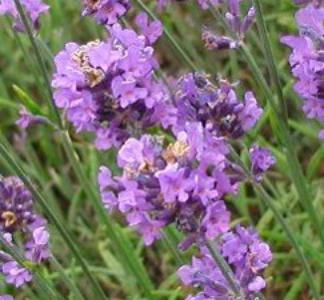
English lavender
(Lavandula angustifolia angustifolia)
Also Known As
English lavender, True lavender, Garden lavender
About This Plant
Lavandula angustifolia angustifolia is a species of flowering plant in the family Lamiaceae. It is an evergreen shrub native to the Mediterranean region and is widely cultivated for its aromatic flowers and essential oils. The plant has narrow, gray-green leaves and produces spikes of fragrant lavender-blue flowers in summer.
Plant Care Instructions
Outdoor Size Range
24-36 inches (60-90 cm)
Light Requirements
Lavender plants require full sun, at least 6 hours of direct sunlight per day. They can tolerate some shade but will not bloom as profusely.
Humidity Needs
Lavender plants are adapted to dry conditions and do not require high humidity.
Fertilizing Schedule
Lavender plants do not require fertilizer but can benefit from a light application of a balanced fertilizer in early spring.
Pruning Guidelines
Prune lavender plants in early spring to promote new growth and to shape the plant. Remove spent flowers throughout the growing season to encourage more blooms.
Common Pests and Diseases
Common pests of lavender plants include spider mites, aphids, and whiteflies. Diseases such as root rot and fungal infections can occur in poorly-drained soil.
Indoor Size Range
12-24 inches (30-60 cm)
Watering Schedule
Lavender plants prefer well-drained soil and do not like to be waterlogged. Water deeply once a week and allow the soil to dry out between waterings.
Temperature Range
Lavender plants prefer warm temperatures between 60-80°F (15-27°C). They can tolerate some cold but are not frost-tolerant.
Growing Season
Lavender plants bloom in summer and can be harvested for their flowers and essential oils.
Growing Difficulty Level
Lavender plants are relatively easy to grow but require well-drained soil and full sun. They can be susceptible to root rot if overwatered.
USDA Hardiness Zones
USDA hardiness zones 5-9
Did You Know?
Lavender has been used for centuries for its medicinal properties and is known for its calming and relaxing effects.
