Special Web Offer - Get 50% OFF!
Grab Your Deal Now
PlantSnap
Plant Care
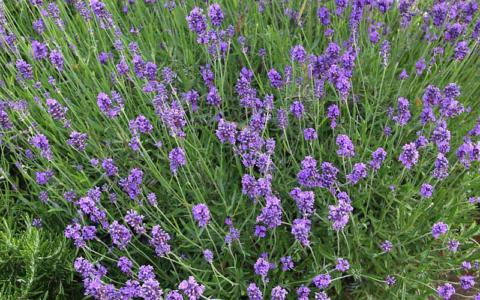
English lavender
(Lavandula angustifolia Munstead)
Also Known As
English lavender, Munstead lavender, True lavender
About This Plant
Lavandula angustifolia 'Munstead' is a perennial evergreen shrub that is known for its fragrant lavender flowers and aromatic foliage. It is a member of the Lamiaceae family and is native to the Mediterranean region.
Plant Care Instructions
Outdoor Size Range
18-24 inches (45-60 cm)
Light Requirements
Lavandula angustifolia 'Munstead' requires full sun, at least 6-8 hours of direct sunlight per day. It can tolerate some shade, but too much shade can lead to poor flowering and leggy growth.
Humidity Needs
Lavandula angustifolia 'Munstead' prefers low humidity levels and can tolerate dry conditions.
Fertilizing Schedule
Lavandula angustifolia 'Munstead' does not require a lot of fertilizer. A light application of a balanced fertilizer in the spring can help promote healthy growth and flowering.
Pruning Guidelines
Lavandula angustifolia 'Munstead' should be pruned in the spring to remove any dead or damaged growth. It can also be lightly pruned after the first flush of flowers to encourage a second flush of blooms.
Common Pests and Diseases
Common pests for Lavandula angustifolia 'Munstead' include spider mites, whiteflies, and aphids. It is also susceptible to root rot if overwatered.
Indoor Size Range
12-18 inches (30-45 cm)
Watering Schedule
Lavandula angustifolia 'Munstead' prefers well-draining soil and does not like to sit in wet soil. Water deeply once a week during the growing season and reduce watering in the winter months.
Temperature Range
Lavandula angustifolia 'Munstead' prefers warm temperatures between 60-80°F (15-27°C). It can tolerate some frost, but prolonged exposure to freezing temperatures can damage the plant.
Growing Season
Lavandula angustifolia 'Munstead' typically blooms from June to August, but its foliage remains evergreen year-round.
Growing Difficulty Level
Lavandula angustifolia 'Munstead' is relatively easy to grow as long as it is planted in well-draining soil and receives enough sunlight. It can be prone to root rot if overwatered.
USDA Hardiness Zones
USDA hardiness zones 5-9
Did You Know?
Lavandula angustifolia 'Munstead' is named after Munstead Wood, the home of renowned English garden designer Gertrude Jekyll. Jekyll was known for her use of lavender in her garden designs and is credited with popularizing the use of English Lavender in ornamental gardens.
