Special Web Offer - Get 50% OFF!
Grab Your Deal Now
PlantSnap
Plant Care
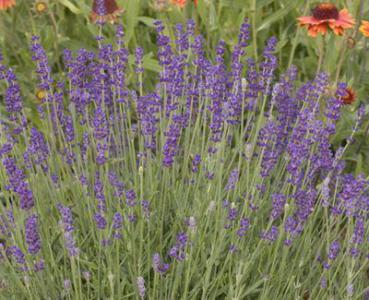
English lavender
(Lavandula angustifolia Hidcote)
Also Known As
English lavender, Hidcote lavender, Spanish lavender
About This Plant
Lavandula angustifolia 'Hidcote' is a perennial, evergreen shrub with narrow, grey-green leaves and spikes of fragrant, deep purple-blue flowers in summer. It is a popular garden plant and is widely used for its essential oils, which have a variety of medicinal and culinary uses.
Plant Care Instructions
Outdoor Size Range
18-24 inches (45-60 cm)
Light Requirements
Hidcote lavender requires full sun to grow and thrive. It needs at least 6-8 hours of direct sunlight per day.
Humidity Needs
Hidcote lavender prefers low to moderate humidity levels.
Fertilizing Schedule
Hidcote lavender does not require much fertilizer. A light application of a balanced fertilizer in the spring is sufficient.
Pruning Guidelines
Prune Hidcote lavender in the spring to promote bushy growth and to remove any dead or damaged wood. Deadhead spent flowers throughout the growing season to encourage more blooms.
Common Pests and Diseases
Common pests of Hidcote lavender include spider mites, aphids, and whiteflies. It is also susceptible to root rot if overwatered.
Indoor Size Range
12-18 inches (30-45 cm)
Watering Schedule
Hidcote lavender prefers dry to medium moisture levels and does not tolerate wet feet. Water only when the soil is dry to the touch, but do not overwater.
Temperature Range
Hidcote lavender prefers warm temperatures and can tolerate heat well. It is hardy to USDA zones 5 to 9.
Growing Season
Hidcote lavender blooms from mid to late summer.
Growing Difficulty Level
Hidcote lavender is relatively easy to grow and care for, making it a good choice for beginner gardeners.
USDA Hardiness Zones
USDA hardiness zones 5 to 9.
Did You Know?
Hidcote lavender was first introduced in 1950 by Major Lawrence Johnston, who created the Hidcote Manor Garden in Gloucestershire, England. It has since become one of the most popular lavender cultivars in the world.
