Special Web Offer - Get 50% OFF!
Grab Your Deal Now
PlantSnap
Plant Care
European larch
(Larix decidua)
Also Known As
European larch, Larch
About This Plant
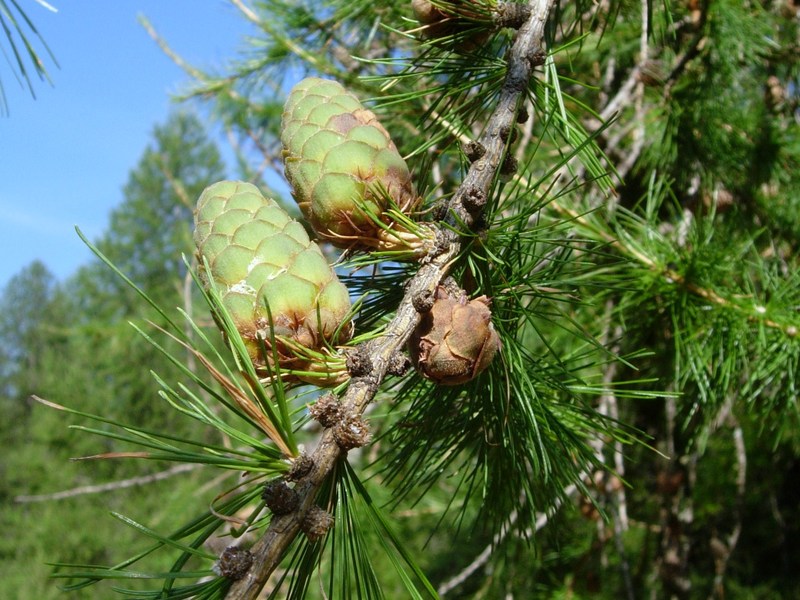
Larix decidua is a deciduous coniferous tree that grows up to 40-60 feet (12-18 meters) in height. It has a narrow, conical shape and a straight trunk with a scaly bark. The leaves are needle-like and turn yellow in the fall before falling off. The tree produces small, brown cones that contain winged seeds.
Plant Care Instructions
Outdoor Size Range
40-60 feet (12-18 meters) in height, 20-40 feet (6-12 meters) in width
Light Requirements
Larix decidua requires full sun to grow properly. It can tolerate some shade, but too much shade can result in poor growth and a less dense crown.
Humidity Needs
Larix decidua prefers moderate humidity levels, but it can tolerate drier conditions. It is important to avoid planting this species in areas with high humidity, as this can lead to fungal diseases.
Fertilizing Schedule
Larix decidua does not require fertilizer, but it can benefit from a slow-release fertilizer applied in the spring.
Pruning Guidelines
This species requires minimal pruning. Dead or damaged branches should be removed as soon as possible. The tree can be pruned to shape in the early spring before new growth appears.
Common Pests and Diseases
Larix decidua is susceptible to a variety of pests and diseases, including bark beetles, canker diseases, and rust diseases. Regular monitoring and treatment can help prevent these problems.
Indoor Size Range
Not suitable for indoor growth
Watering Schedule
This species prefers moist, well-drained soil. It is important not to overwater the tree, as this can lead to root rot. During dry periods, the tree should be watered deeply once a week.
Temperature Range
This species can tolerate a wide range of temperatures, but it prefers cooler climates. It can thrive in USDA hardiness zones 2-7.
Growing Season
Larix decidua grows best in the spring and summer months. It is important to plant this species in the fall or early spring to allow for root establishment before the growing season.
Growing Difficulty Level
Larix decidua is relatively easy to grow, but it requires specific growing conditions. It is best suited for large landscapes and parks.
USDA Hardiness Zones
USDA hardiness zones 2-7
Did You Know?
Larix decidua is the only deciduous conifer native to Europe.
