Special Web Offer - Get 50% OFF!
Grab Your Deal Now
PlantSnap
Plant Care
Lantana
(Lantana ovatifolia)
Also Known As
Lantana, Ovate lantana, Tropical lantana
About This Plant
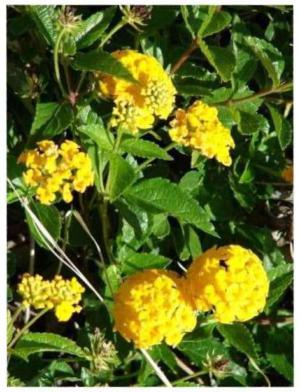
Lantana ovatifolia is a species of flowering plant in the verbena family, Verbenaceae. It is a small, evergreen shrub that produces clusters of small, fragrant flowers in shades of pink, yellow, and orange. The plant is native to Texas and Mexico and is known for its drought tolerance and ability to attract butterflies and hummingbirds.
Plant Care Instructions
Outdoor Size Range
24-36 inches (60-90 cm)
Light Requirements
Lantana requires full sun to thrive and should be placed in a location that receives at least 6 hours of direct sunlight per day.
Humidity Needs
Lantana prefers low humidity and can tolerate dry conditions.
Fertilizing Schedule
Lantana does not require fertilizer but can benefit from a balanced, slow-release fertilizer applied in the spring.
Pruning Guidelines
Lantana should be pruned in the spring to remove any dead or damaged branches and to shape the plant. It can also be pruned after flowering to encourage bushier growth.
Common Pests and Diseases
Lantana can be susceptible to spider mites, whiteflies, and aphids. It can also develop leaf spot and powdery mildew.
Indoor Size Range
12-24 inches (30-60 cm)
Watering Schedule
Lantana is drought tolerant and should be watered deeply but infrequently. Allow the soil to dry out between waterings.
Temperature Range
Lantana can tolerate a wide range of temperatures and is hardy in USDA zones 8-11. It can withstand temperatures as low as 10°F (-12°C).
Growing Season
Lantana blooms from late spring to early fall.
Growing Difficulty Level
Lantana is a relatively easy plant to grow and is tolerant of a wide range of growing conditions.
USDA Hardiness Zones
8-11
Did You Know?
Lantana leaves and unripe berries are toxic to humans and can cause vomiting, diarrhea, and other symptoms if ingested.
