Special Web Offer - Get 50% OFF!
Grab Your Deal Now
PlantSnap
Plant Care
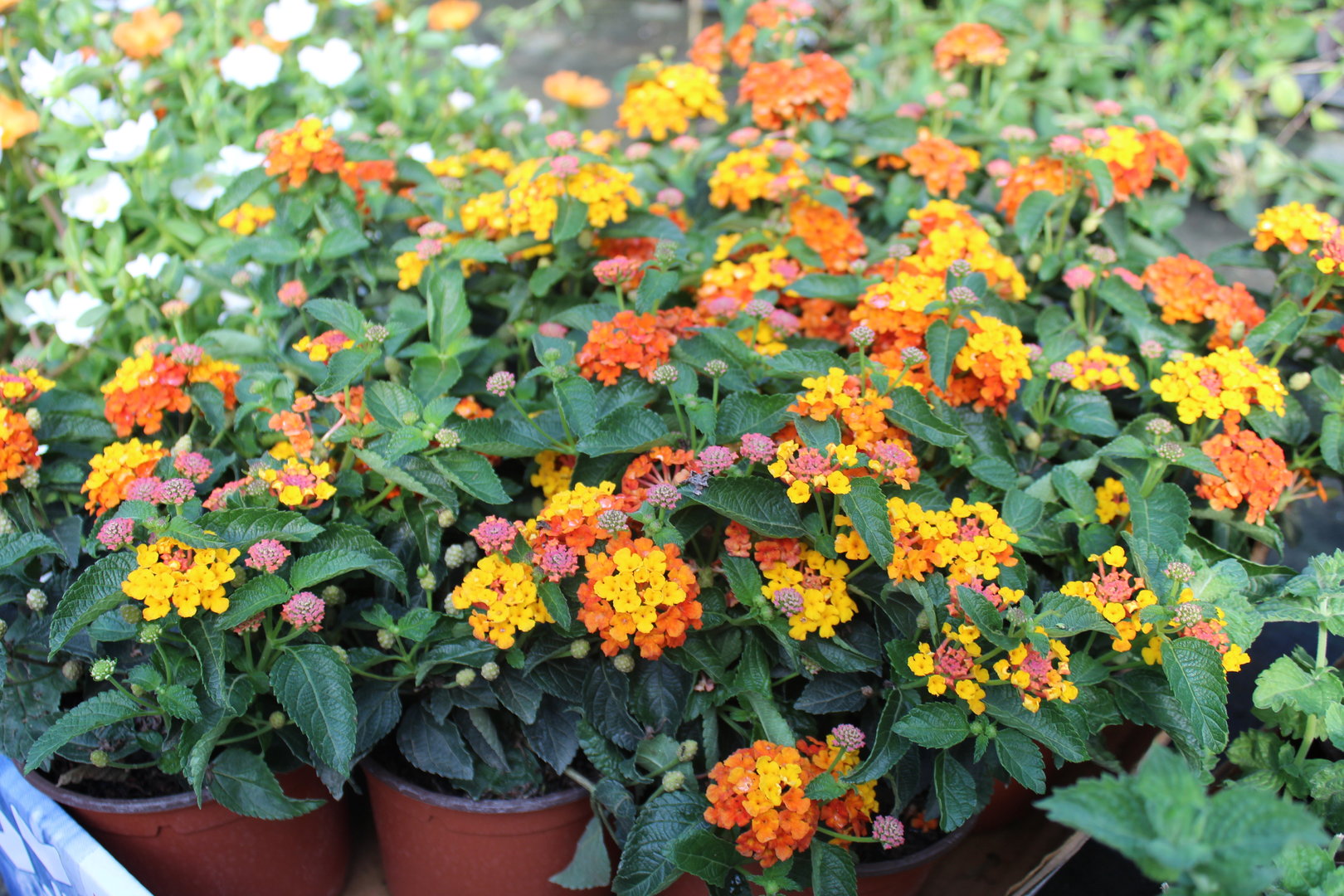
Lantana
(Lantana L)
Also Known As
Lantana, Spanish flag, Tickberry, Red sage, Yellow sage
About This Plant
Lantana L is a genus of about 150 species of perennial flowering plants in the verbena family, Verbenaceae. The plants are native to tropical regions of the Americas and Africa but exist as an introduced species in numerous areas, especially in the Australian-Pacific region. They are commonly known as lantanas.
Plant Care Instructions
Outdoor Size Range
24-36 inches (60-90 cm)
Light Requirements
Lantanas require full sun to grow and bloom properly. They can tolerate partial shade but may not bloom as profusely.
Humidity Needs
Lantanas prefer average to high humidity levels.
Fertilizing Schedule
Fertilize lantanas once a month during the growing season with a balanced fertilizer. Avoid overfertilizing as it can lead to excessive foliage growth and fewer blooms.
Pruning Guidelines
Prune lantanas in early spring to remove any dead or damaged branches. You can also prune to shape the plant and encourage bushier growth.
Common Pests and Diseases
Common pests for lantanas include spider mites, whiteflies, and aphids. They can also be susceptible to powdery mildew.
Indoor Size Range
18-24 inches (45-60 cm)
Watering Schedule
Water lantanas when the soil is dry to the touch. Avoid overwatering as it can lead to root rot.
Temperature Range
Lantanas prefer warm temperatures between 60-90°F (15-32°C). They can tolerate slightly cooler temperatures but may not bloom as well.
Growing Season
Lantanas bloom from early summer to fall, so the growing season is typically from late spring to early fall.
Growing Difficulty Level
Lantanas are relatively easy to grow and care for, making them a great choice for beginner gardeners.
USDA Hardiness Zones
Lantanas are hardy in USDA zones 8-11.
Did You Know?
Lantanas are a favorite nectar source for butterflies and hummingbirds.
