Special Web Offer - Get 50% OFF!
Grab Your Deal Now
PlantSnap
Plant Care
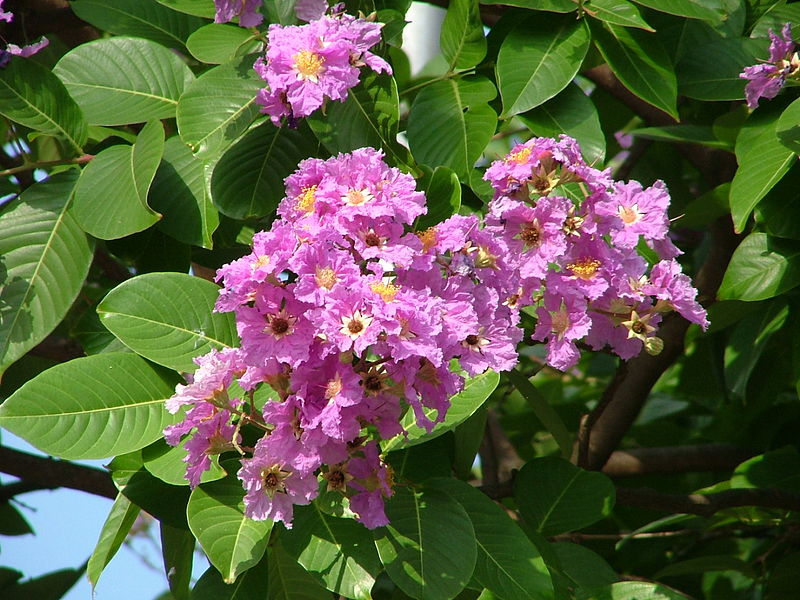
Queen's crape myrtle
(Lagerstroemia speciosa)
Also Known As
Queen's crape myrtle, Pride of india, Queen's crepe myrtle, Giant crepe myrtle, Jarul, Tamanfinity
About This Plant
Lagerstroemia speciosa is a flowering tree species native to Southeast Asia. It is commonly known as the giant crape-myrtle or banabá plant.
Plant Care Instructions
Outdoor Size Range
20-40 feet (6-12 meters) tall and 15-25 feet (4.5-7.5 meters) wide
Light Requirements
Lagerstroemia speciosa prefers full sun but can tolerate partial shade. It is recommended to provide at least 6 hours of direct sunlight for optimal growth.
Humidity Needs
Lagerstroemia speciosa can tolerate a wide range of humidity levels, but it prefers moderate to high humidity.
Fertilizing Schedule
The plant requires regular fertilization during the growing season with a balanced fertilizer. It is recommended to reduce fertilization during the winter months.
Pruning Guidelines
Pruning is necessary to maintain the shape of the tree and to remove dead or diseased branches. It is recommended to prune the plant during the dormant season.
Common Pests and Diseases
The most common pests and diseases for Lagerstroemia speciosa are powdery mildew, leaf spot, and scale insects.
Indoor Size Range
Not suitable for indoor cultivation
Watering Schedule
The plant requires regular watering during the growing season, but its soil should be allowed to dry partially before the next watering. During the winter months, watering should be reduced to avoid waterlogging.
Temperature Range
The plant prefers warm temperatures between 60-90°F (15-32°C) but can tolerate temperatures as low as 30°F (-1°C) during the dormant season.
Growing Season
The growing season for Lagerstroemia speciosa is from spring to fall.
Growing Difficulty Level
Lagerstroemia speciosa is moderately difficult to grow due to its specific light and watering requirements. It requires regular pruning and fertilization to maintain its shape and health.
USDA Hardiness Zones
Lagerstroemia speciosa can grow in USDA hardiness zones 9-11.
Did You Know?
In the Philippines, the bark of Lagerstroemia speciosa is used as a traditional medicine to treat diabetes and high blood pressure.
