Special Web Offer - Get 50% OFF!
Grab Your Deal Now
PlantSnap
Plant Care
Annual mercury
(Kochia maritima)
Also Known As
Annual mercury, Marsh kochia, Kochia, Summer cypress, Fireweed
About This Plant
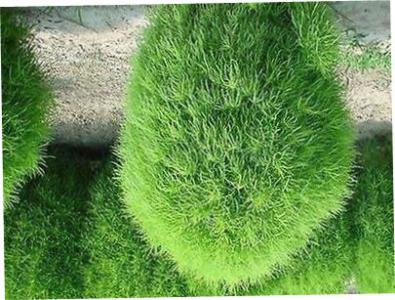
Kochia maritima is a small, annual herbaceous plant with a rounded habit and a grey-green color. It grows up to 30-60 cm (12-24 inches) tall and 30-60 cm (12-24 inches) wide. The plant is drought-resistant and salt-tolerant, making it ideal for coastal gardens and landscaping.
Plant Care Instructions
Outdoor Size Range
30-60 cm (12-24 inches) tall and 30-60 cm (12-24 inches) wide
Light Requirements
Kochia maritima requires full sun exposure for optimal growth and development. It can tolerate partial shade, but it may result in leggy growth and reduced foliage density.
Humidity Needs
Kochia maritima prefers dry air conditions and can tolerate low humidity levels. High humidity can lead to fungal diseases and leaf drop.
Fertilizing Schedule
Kochia maritima does not require regular fertilization. However, it can benefit from a balanced fertilizer application in early spring to promote healthy growth and development.
Pruning Guidelines
Kochia maritima does not require regular pruning. However, it can be pruned in early spring to promote bushier growth and maintain a compact shape.
Common Pests and Diseases
Kochia maritima is relatively pest-free. However, it can be susceptible to spider mites and aphids, which can be controlled with insecticidal soap or neem oil.
Indoor Size Range
Not suitable for indoor cultivation
Watering Schedule
Kochia maritima is drought-resistant and requires infrequent watering. It can tolerate dry soil conditions, but it should be watered deeply when the soil is completely dry.
Temperature Range
Kochia maritima is a warm-season plant and requires warm temperatures for optimal growth. It can tolerate a wide range of temperatures, from 10°C (50°F) to 35°C (95°F).
Growing Season
Kochia maritima is a warm-season plant that grows best in late spring and summer. It can be grown as an annual in colder climates or as a perennial in warmer climates.
Growing Difficulty Level
Kochia maritima is an easy-to-grow plant that requires minimal care and maintenance. It is suitable for beginner gardeners and those who are looking for a low-maintenance plant for their garden.
USDA Hardiness Zones
Kochia maritima is hardy in USDA zones 8-11.
Did You Know?
Kochia maritima is also known as 'burning bush' due to its red fall foliage that resembles the burning bush in the Bible.
