Special Web Offer - Get 50% OFF!
Grab Your Deal Now
PlantSnap
Plant Care
Shrimp plant
(Justicia brandegeeana)
Also Known As
Shrimp plant, Beloperone, Jamaican pothos
About This Plant
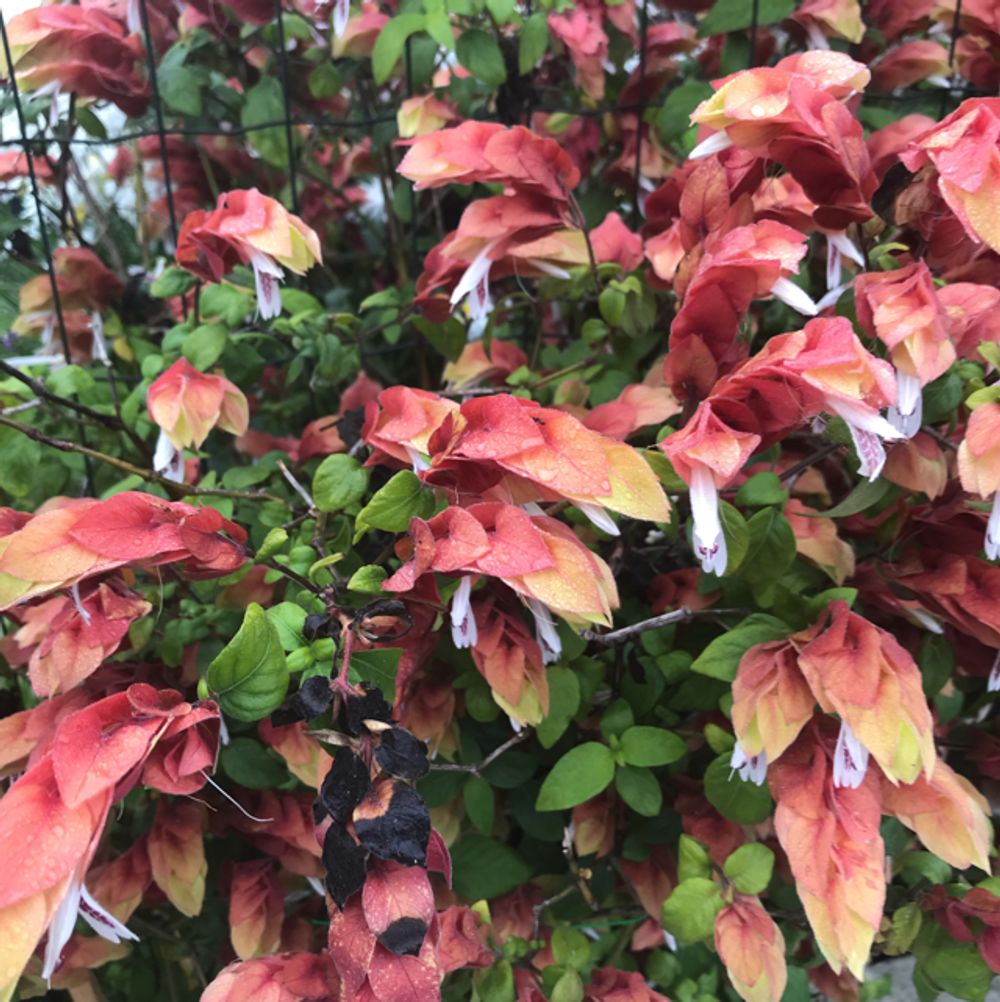
Justicia brandegeeana is a flowering plant species native to Mexico and Central America. It is commonly known as the Shrimp Plant due to its distinctive inflorescence resembling a shrimp. The plant has a shrub-like growth habit and can grow up to 3-4 feet (91-122 cm) tall and 2-3 feet (61-91 cm) wide.
Plant Care Instructions
Outdoor Size Range
36-48 inches (91-122 cm)
Light Requirements
The Shrimp Plant requires bright, indirect sunlight. Direct sunlight can damage the leaves and cause the plant to wilt.
Humidity Needs
The Shrimp Plant prefers high humidity levels, so it is recommended to mist the leaves regularly or place a humidifier near the plant.
Fertilizing Schedule
The Shrimp Plant benefits from regular fertilization during the growing season with a balanced fertilizer. Fertilize once a month with a 10-10-10 fertilizer.
Pruning Guidelines
The plant should be pruned regularly to maintain its shape and encourage bushy growth. Prune back any leggy or overgrown stems in the spring or summer.
Common Pests and Diseases
Common pests that can affect the Shrimp Plant include spider mites, whiteflies, and mealybugs. It is important to inspect the plant regularly and treat any infestations promptly.
Indoor Size Range
12-36 inches (30-91 cm)
Watering Schedule
The plant requires regular watering, and the soil should be kept moist but not waterlogged. Watering once a week is usually sufficient for indoor plants, while outdoor plants may require more frequent watering in hot, dry weather.
Temperature Range
The plant prefers warm temperatures between 65-80°F (18-27°C). It is important to protect the plant from cold drafts or sudden temperature changes.
Growing Season
The Shrimp Plant can be grown year-round in tropical climates. In cooler climates, it is best to grow the plant indoors during the winter months.
Growing Difficulty Level
The Shrimp Plant is considered to be moderately difficult to grow, as it requires specific growing conditions such as high humidity and warm temperatures. However, with proper care and attention, it can thrive both indoors and outdoors.
USDA Hardiness Zones
The Shrimp Plant is not frost-tolerant and is best suited for USDA hardiness zones 10-11.
Did You Know?
The Shrimp Plant is not only grown for its unique shrimp-like inflorescence, but also for its medicinal properties. In traditional medicine, the plant is used to treat a variety of ailments including fever, headaches, and respiratory problems.
