Special Web Offer - Get 50% OFF!
Grab Your Deal Now
PlantSnap
Plant Care
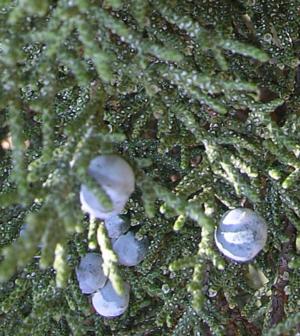
Western juniper
(Juniperus occidentalis)
Also Known As
Western juniper, California juniper
About This Plant
Juniperus occidentalis is a species of juniper native to western North America, including British Columbia, Washington, Oregon, California, Nevada, Idaho, Montana, Wyoming, Utah, Colorado, Arizona, and New Mexico. It is an evergreen coniferous tree or shrub growing up to 40 feet (12 meters) tall, with a trunk up to 4 feet (1.2 meters) diameter and a narrow conical to columnar crown.
Plant Care Instructions
Outdoor Size Range
20 - 40 feet (6 - 12 meters)
Light Requirements
Juniperus occidentalis prefers full sun but can tolerate partial shade.
Humidity Needs
Juniperus occidentalis prefers low humidity and can tolerate dry air.
Fertilizing Schedule
Juniperus occidentalis does not require fertilization but can benefit from a slow-release fertilizer applied in early spring.
Pruning Guidelines
Prune in late winter or early spring to shape the plant and remove dead or diseased branches.
Common Pests and Diseases
Common pests for Juniperus occidentalis include spider mites, scale insects, and juniper rust.
Indoor Size Range
Not suitable for indoor growing
Watering Schedule
This plant species is drought-tolerant and requires little watering once established. Water deeply and infrequently during the growing season and reduce watering during the winter.
Temperature Range
This plant species is cold-hardy and can tolerate temperatures as low as -40°F (-40°C). It prefers a cool climate and can tolerate hot and dry summers.
Growing Season
The growing season for Juniperus occidentalis is from late spring to early fall.
Growing Difficulty Level
Juniperus occidentalis is relatively easy to grow and requires little maintenance.
USDA Hardiness Zones
Juniperus occidentalis is hardy in USDA zones 4 to 9.
Did You Know?
Juniperus occidentalis is an important plant for wildlife, providing habitat and food for a variety of animals, including birds, mammals, and insects.