Special Web Offer - Get 50% OFF!
Grab Your Deal Now
PlantSnap
Plant Care
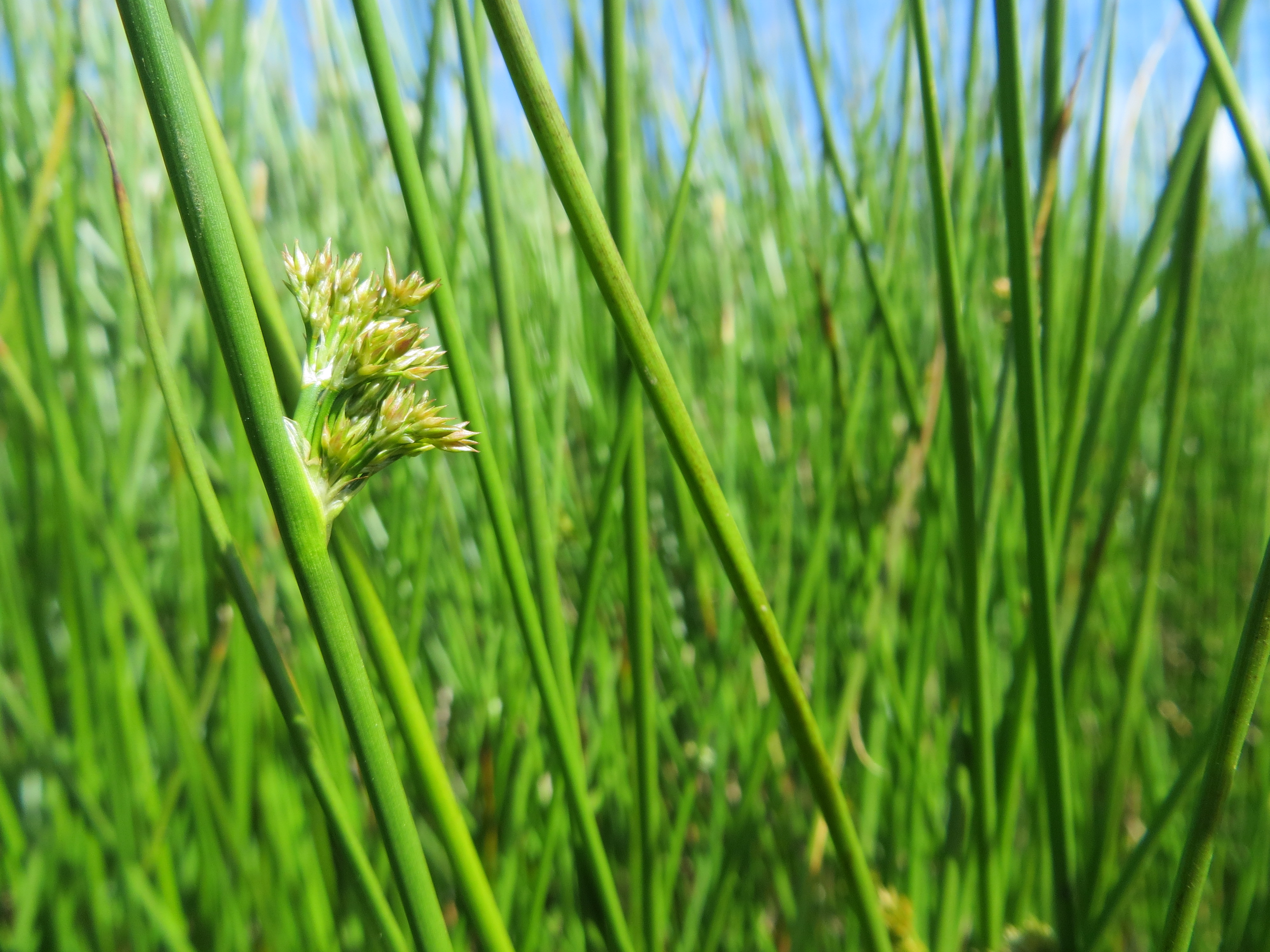
Bolander's rush
(Juncus bolanderi)
Also Known As
Bolander's rush, Bolander's juncus
About This Plant
Juncus bolanderi is a perennial plant species that belongs to the Juncaceae family. It is commonly known as Bolander's rush and is native to the western United States. The plant has a grass-like appearance, with slender stems and small, cylindrical flowers.
Plant Care Instructions
Outdoor Size Range
12-24 inches (30-60 cm)
Light Requirements
Juncus bolanderi prefers full sun to partial shade. It can tolerate some shade, but too much shade can cause the plant to become leggy and weak.
Humidity Needs
Juncus bolanderi prefers moderate humidity levels, but it can tolerate low humidity.
Fertilizing Schedule
Fertilize the plant with a balanced, water-soluble fertilizer every 2-3 weeks during the growing season.
Pruning Guidelines
Prune back the plant in early spring to encourage new growth. Remove any dead or damaged stems.
Common Pests and Diseases
Juncus bolanderi is relatively pest-free, but it can be susceptible to aphids, spider mites, and mealybugs.
Indoor Size Range
8-12 inches (20-30 cm)
Watering Schedule
The plant prefers moist soil, but it can tolerate some drought. Water the plant when the top inch of soil feels dry to the touch.
Temperature Range
The plant prefers cool to moderate temperatures, ranging from 50-75°F (10-24°C). It can tolerate some frost but may die back in severe winters.
Growing Season
The growing season for Juncus bolanderi is from late spring to early fall.
Growing Difficulty Level
Juncus bolanderi is a relatively easy plant to grow, requiring minimal care and maintenance.
USDA Hardiness Zones
Juncus bolanderi is hardy in USDA zones 7-10.
Did You Know?
Juncus bolanderi is named after Henry Nicholas Bolander, a 19th-century American botanist who specialized in the study of mosses and liverworts.