Special Web Offer - Get 50% OFF!
Grab Your Deal Now
PlantSnap
Plant Care
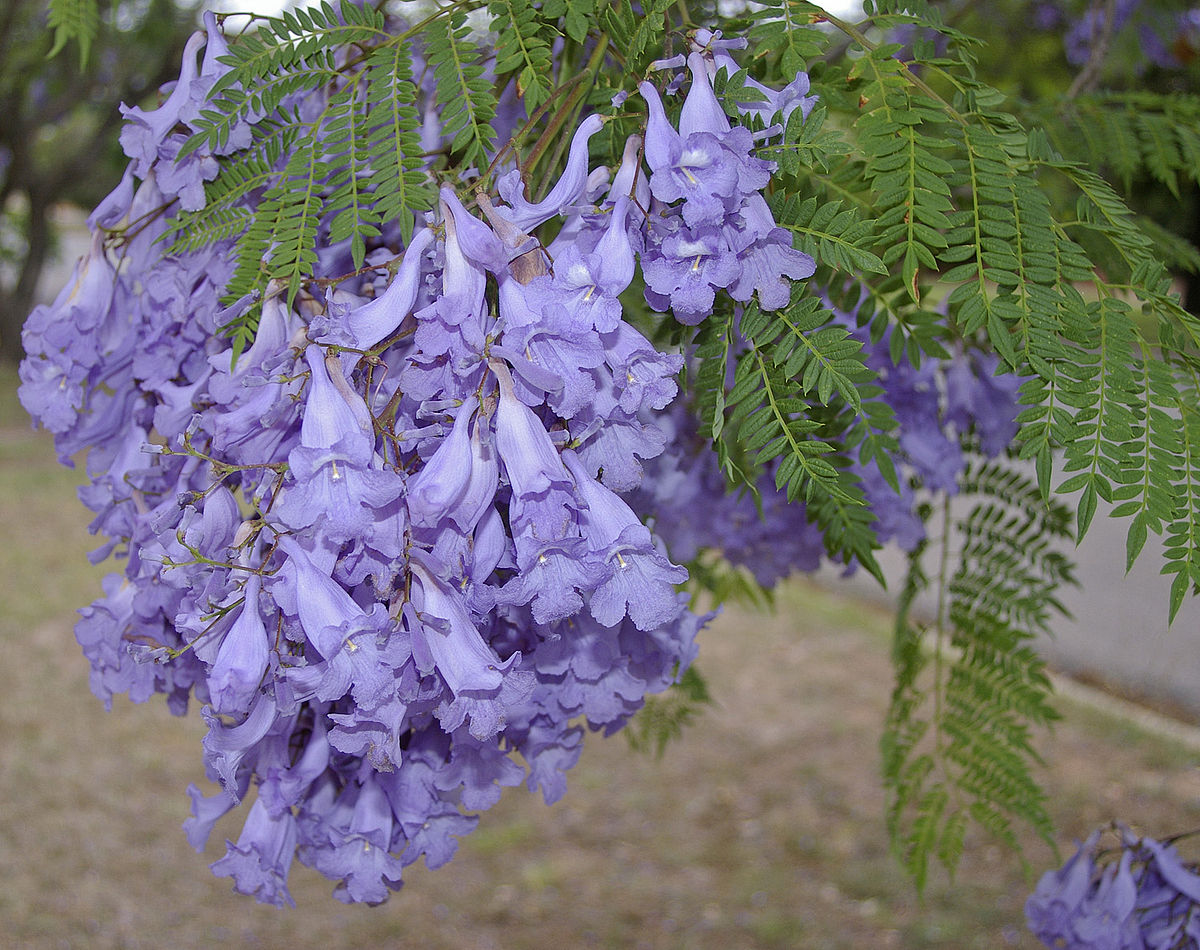
Blue jacaranda
(Jacaranda mimosifolia)
Also Known As
Blue jacaranda, Jacaranda, Royal blue bell, Mimosa tree
About This Plant
Jacaranda mimosifolia is a deciduous tree that can grow up to 15-20 meters tall. It has a broad, spreading canopy and a straight trunk that can reach up to 2 meters in diameter. The leaves are bipinnate and fern-like, up to 45 cm long, and the flowers are trumpet-shaped and lavender-blue in color. The fruit is a capsule that contains numerous small, winged seeds.
Plant Care Instructions
Outdoor Size Range
40-50 feet (12-15 meters) tall, 40-50 feet (12-15 meters) wide
Light Requirements
Jacaranda requires full sun to thrive and produce abundant flowers. It can tolerate partial shade, but flowering will be reduced.
Humidity Needs
Jacaranda can tolerate low to moderate humidity levels.
Fertilizing Schedule
Jacaranda benefits from regular fertilization with a balanced fertilizer during the growing season. Apply the fertilizer according to the manufacturer's instructions.
Pruning Guidelines
Jacaranda requires minimal pruning to maintain its shape and remove dead or damaged branches. Prune the tree in late winter or early spring, before new growth appears.
Common Pests and Diseases
Jacaranda is relatively pest-free, but it can be affected by scale insects, mealybugs, and spider mites. Treat infestations with insecticidal soap or horticultural oil.
Indoor Size Range
Not suitable for indoor cultivation
Watering Schedule
Jacaranda prefers well-draining soil and moderate watering. Water the tree deeply once a week during the growing season, and reduce watering in the winter.
Temperature Range
Jacaranda is a subtropical tree that can tolerate a wide range of temperatures, from 20°F (-6°C) to 100°F (38°C). It can survive light frost, but prolonged exposure to freezing temperatures can damage or kill the tree.
Growing Season
Jacaranda grows best in spring and summer, when temperatures are warm and rainfall is abundant. It is dormant in the winter.
Growing Difficulty Level
Jacaranda is a moderately difficult tree to grow, as it requires specific growing conditions and can be sensitive to frost and drought. However, with proper care, it can thrive and produce abundant flowers.
USDA Hardiness Zones
Jacaranda is hardy in USDA zones 9-11.
Did You Know?
Jacaranda is the national tree of Brazil, where it is known as 'blue trumpet tree' or 'caroba'. It is also a popular ornamental tree in many other parts of the world, including Australia, South Africa, and the United States.