Special Web Offer - Get 50% OFF!
Grab Your Deal Now
PlantSnap
Plant Care
Dwarf iris
(Iris reticulata)
Also Known As
Dwarf iris, Netted iris, Reticulated iris
About This Plant
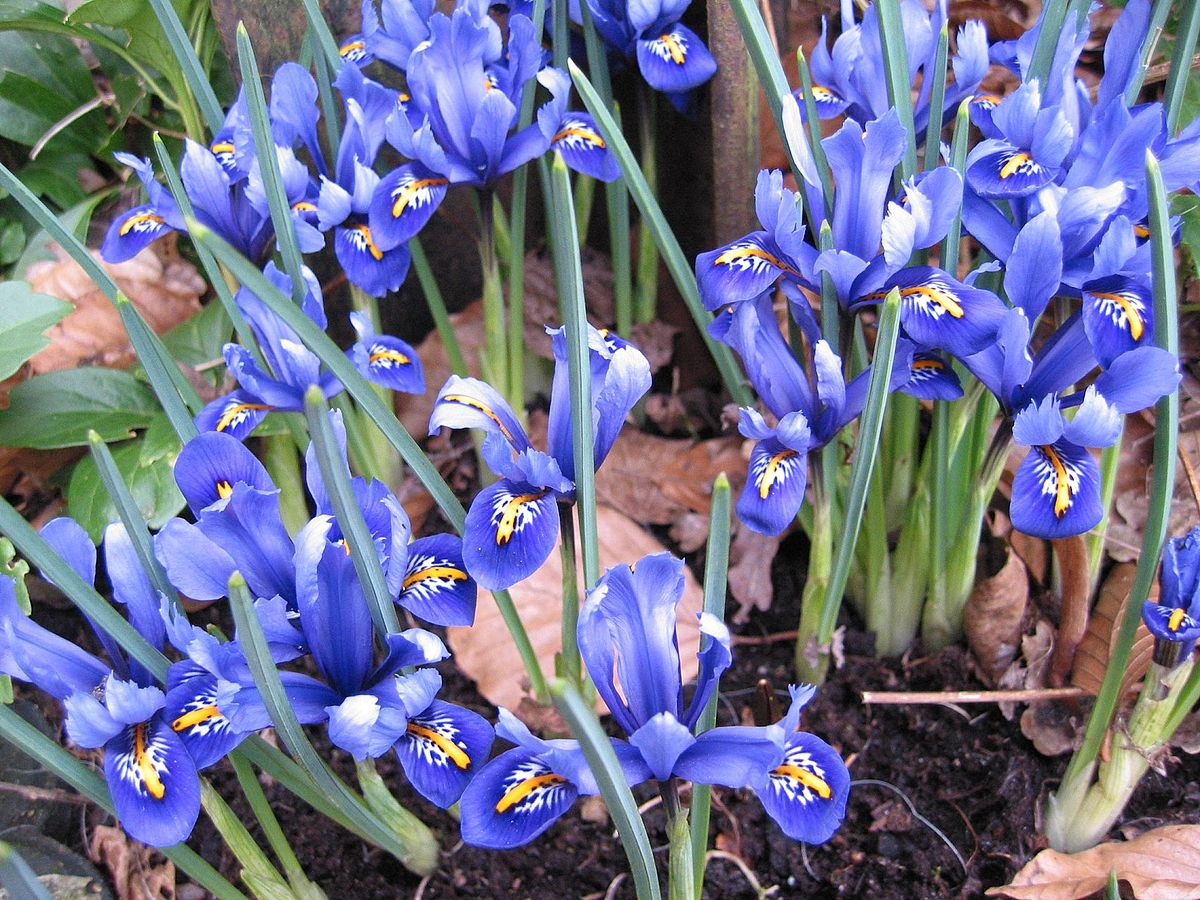
Iris reticulata is a bulbous perennial plant species that belongs to the genus Iris and the family Iridaceae. It is native to Russia, the Caucasus, and northern Iran. The plant has narrow leaves that grow up to 15 cm long and produces flowers that are usually blue or purple, with a yellow or white spot on each fall.
Plant Care Instructions
Outdoor Size Range
4-6 inches (10-15 cm)
Light Requirements
Iris reticulata requires full sun to partial shade to grow well. Indoors, it requires bright light and direct sunlight for at least 6 hours a day.
Humidity Needs
Iris reticulata prefers moderate to high humidity levels. You can increase humidity levels by placing a tray of water near the plant or using a humidifier.
Fertilizing Schedule
Fertilize Iris reticulata with a balanced fertilizer once a month during the growing season. Do not fertilize during the dormant season.
Pruning Guidelines
Remove spent flowers and yellowing leaves as needed. After the plant has finished flowering, allow the foliage to die back naturally before removing it.
Common Pests and Diseases
Common pests that can affect Iris reticulata include thrips, aphids, and spider mites. Diseases that can affect the plant include bacterial soft rot, fungal leaf spot, and root rot.
Indoor Size Range
6-8 inches (15-20 cm)
Watering Schedule
Iris reticulata prefers moist soil but not waterlogged. Water the plant deeply once a week and allow the soil to dry out slightly between watering. Indoors, water the plant when the top inch of soil is dry.
Temperature Range
Iris reticulata prefers cool temperatures between 50-65°F (10-18°C). It can tolerate temperatures as low as 40°F (4°C) and as high as 80°F (27°C).
Growing Season
Iris reticulata blooms in late winter to early spring.
Growing Difficulty Level
Iris reticulata is moderately difficult to grow. It requires specific growing conditions, including cool temperatures and well-draining soil.
USDA Hardiness Zones
Iris reticulata is hardy in USDA zones 5-9.
Did You Know?
In ancient Greece, iris flowers were used to make perfume and as a symbol of power and majesty. The name 'Iris' comes from the Greek word for rainbow, which refers to the wide range of colors that iris flowers come in.
