Special Web Offer - Get 50% OFF!
Grab Your Deal Now
PlantSnap
Plant Care
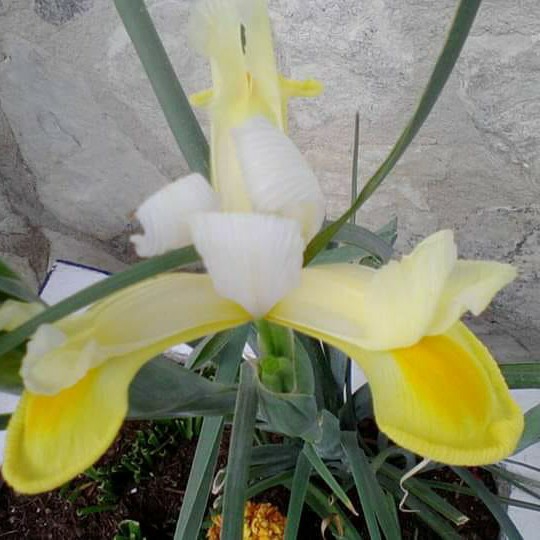
Dutch iris
(Iris hollandica)
Also Known As
Dutch iris, Yellow iris
About This Plant
Iris hollandica is a perennial plant species that belongs to the Iridaceae family. It is commonly known as Dutch iris and is native to the eastern Mediterranean region. This plant species is famous for its beautiful flowers that come in various shades of blue, purple, yellow, white, and bi-colored.
Plant Care Instructions
Outdoor Size Range
12-36 inches (30-91 cm)
Light Requirements
Iris hollandica requires full sun to partial shade. It needs at least 6 hours of sunlight per day to bloom properly.
Humidity Needs
Iris hollandica can tolerate a wide range of humidity levels, but it prefers moderate humidity.
Fertilizing Schedule
Fertilize Iris hollandica with a balanced fertilizer once a month during the growing season. Stop fertilizing after the plant has finished blooming.
Pruning Guidelines
Remove spent flowers and yellowing leaves to encourage new growth. Cut back the foliage to the ground in late fall after it has turned yellow.
Common Pests and Diseases
Iris hollandica is relatively pest-free. However, it can be susceptible to iris borer, thrips, and slugs.
Indoor Size Range
12-24 inches (30-61 cm)
Watering Schedule
This plant species prefers well-drained soil and requires moderate watering. Water the plant when the top inch of soil is dry to the touch.
Temperature Range
This plant species grows best in temperatures between 60-75°F (15-24°C). It can tolerate colder temperatures but may not tolerate extreme heat.
Growing Season
The growing season for Iris hollandica is from late spring to early summer.
Growing Difficulty Level
Iris hollandica is moderately easy to grow. It requires well-drained soil, moderate watering, and full sun to partial shade. However, it may require staking to prevent the flower stalks from bending.
USDA Hardiness Zones
Iris hollandica is hardy in USDA zones 5-9.
Did You Know?
The Dutch iris is not actually native to the Netherlands. It was first cultivated in Turkey and brought to the Netherlands in the 16th century.
