Special Web Offer - Get 50% OFF!
Grab Your Deal Now
PlantSnap
Plant Care
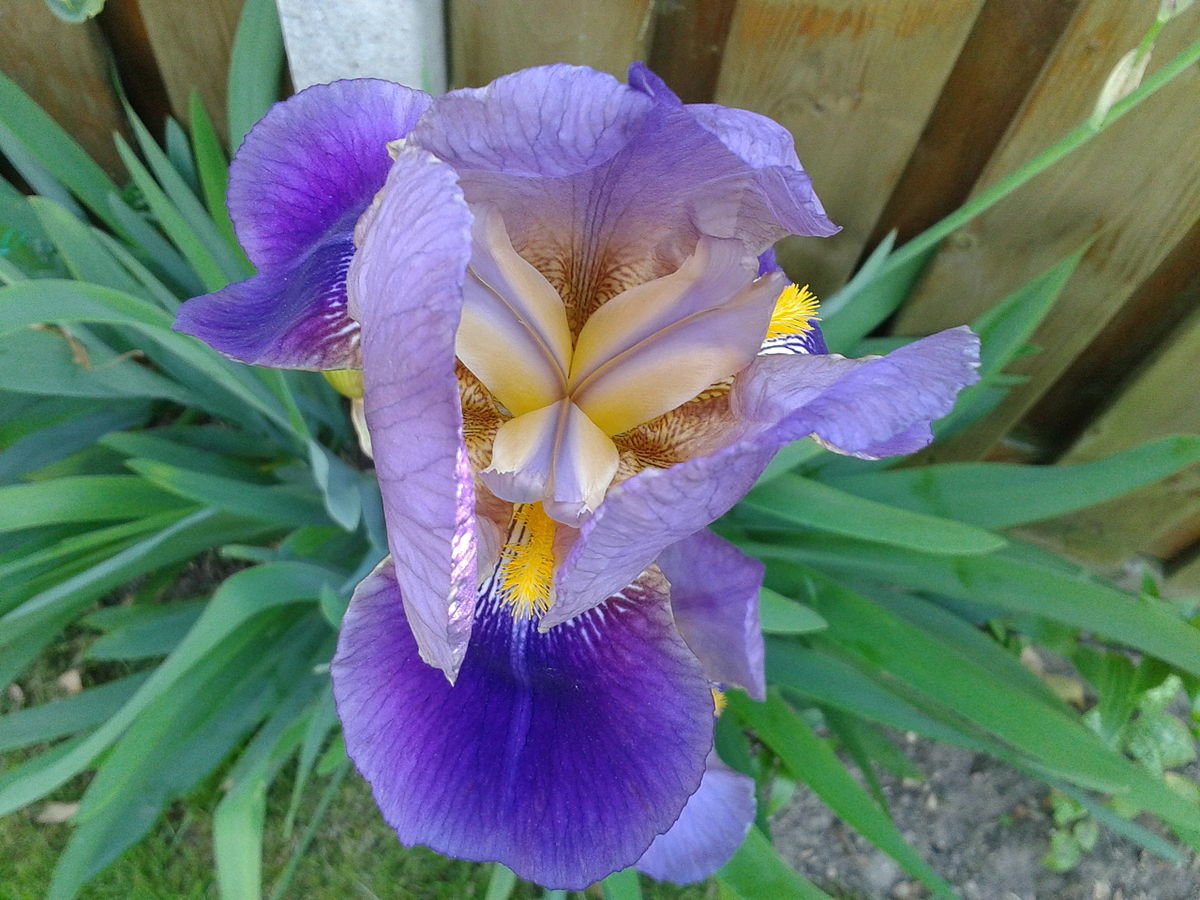
Bearded iris
(Iris germanica)
Also Known As
Bearded iris, German iris, Flags, Iris de hollande
About This Plant
Iris germanica is a perennial flowering plant that is native to southern Europe and the Mediterranean region. It is a rhizomatous plant that produces tall, showy flowers in a range of colors including purple, blue, white, and yellow. The flowers are characterized by three petals and three sepals that are often referred to as 'falls' and 'standards' respectively. The plant typically grows to a height of 2-3 feet (60-90 cm) and has a spread of 1-2 feet (30-60 cm).
Plant Care Instructions
Outdoor Size Range
2-3 feet (60-90 cm) tall, 1-2 feet (30-60 cm) wide
Light Requirements
Iris germanica requires full sun to partial shade. In areas with hot summers, it may benefit from some afternoon shade.
Humidity Needs
Iris germanica prefers moderate humidity levels.
Fertilizing Schedule
Iris germanica benefits from regular fertilization with a balanced fertilizer. Fertilizer should be applied in early spring before the plant begins to bloom.
Pruning Guidelines
Iris germanica requires minimal pruning. Deadheading spent flowers can encourage the plant to produce additional blooms.
Common Pests and Diseases
Common pests of Iris germanica include iris borer, thrips, and spider mites. The plant may also be susceptible to fungal diseases such as leaf spot and root rot.
Indoor Size Range
N/A
Watering Schedule
Iris germanica prefers consistently moist soil, but it should not be watered to the point of saturation. It is important to avoid watering the foliage as this can lead to fungal diseases.
Temperature Range
Iris germanica is hardy in USDA zones 3-10 and can tolerate a wide range of temperatures. It prefers cooler temperatures in the fall and winter and warmer temperatures in the spring and summer.
Growing Season
Iris germanica blooms in late spring to early summer.
Growing Difficulty Level
Iris germanica is moderately easy to grow. It requires well-draining soil and regular watering, but is generally low-maintenance.
USDA Hardiness Zones
3-10
Did You Know?
The Iris germanica is the state flower of Tennessee.
