Special Web Offer - Get 50% OFF!
Grab Your Deal Now
PlantSnap
Plant Care
Japanese iris
(Iris ensata)
Also Known As
Japanese iris, Hanashōbu, Sword lily
About This Plant
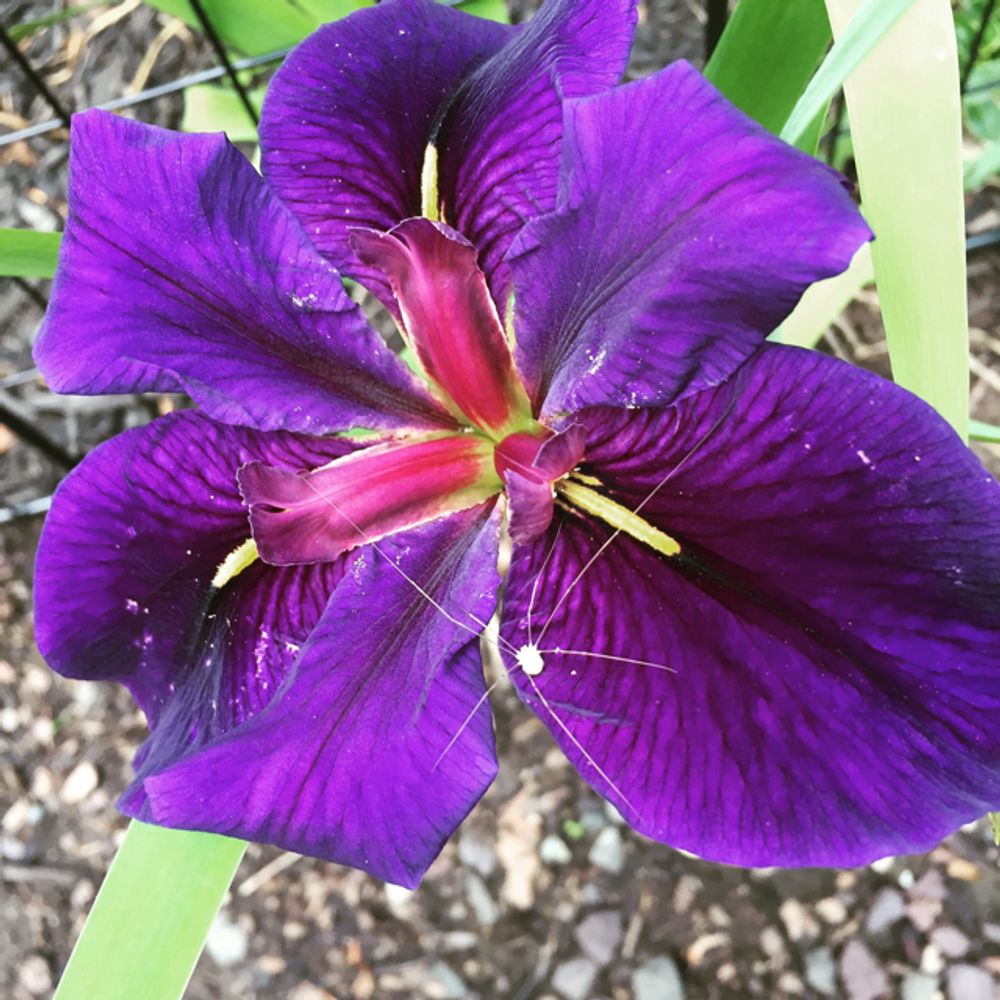
Iris ensata is a herbaceous perennial plant that grows up to 3-4 feet (90-120 cm) tall. It has narrow, sword-shaped leaves that are green in color and can grow up to 2-3 feet (60-90 cm) in length. The flowers grow on tall stems and are typically blue or purple in color with a yellow or white center. They bloom in early to mid-summer and are known for their showy and intricate blooms.
Plant Care Instructions
Outdoor Size Range
3-4 feet (90-120 cm) tall, 2-3 feet (60-90 cm) wide
Light Requirements
Iris ensata prefers full sun to partial shade, with at least 6 hours of direct sunlight per day. In hot climates, it may benefit from some afternoon shade to prevent the flowers from fading too quickly.
Humidity Needs
Iris ensata prefers moderate to high humidity levels, around 50-60%. It may benefit from misting during hot and dry weather.
Fertilizing Schedule
Feed Japanese iris with a balanced fertilizer in early spring, just as new growth appears. Repeat the application after the flowers have faded. Avoid high-nitrogen fertilizers, as they can promote leaf growth at the expense of flowers.
Pruning Guidelines
Remove spent flowers and yellowing leaves as soon as possible to prevent the spread of diseases. Cut back the foliage to the ground in late fall or early winter, after it has turned brown.
Common Pests and Diseases
Japanese iris is relatively pest-free, but it may be susceptible to iris borer, thrips, and slugs. Keep an eye out for any signs of damage and treat promptly.
Indoor Size Range
N/A
Watering Schedule
Japanese iris prefers consistently moist soil, but it should not be waterlogged. Water deeply once or twice a week, depending on rainfall and temperature.
Temperature Range
Japanese iris prefers cool to moderate temperatures, between 60-75°F (15-24°C). It can tolerate some frost, but it may need protection during severe winter weather.
Growing Season
Japanese iris blooms in early to mid-summer, typically from June to July.
Growing Difficulty Level
Iris ensata can be moderately difficult to grow, as it has specific soil, water, and light requirements. However, with proper care and attention, it can thrive in the right conditions.
USDA Hardiness Zones
Iris ensata is hardy in USDA zones 4-9.
Did You Know?
In Japan, the iris is a symbol of courage, and it is often depicted in paintings and other works of art. It is also a popular flower for use in traditional Japanese gardens.
