Special Web Offer - Get 50% OFF!
Grab Your Deal Now
PlantSnap
Plant Care
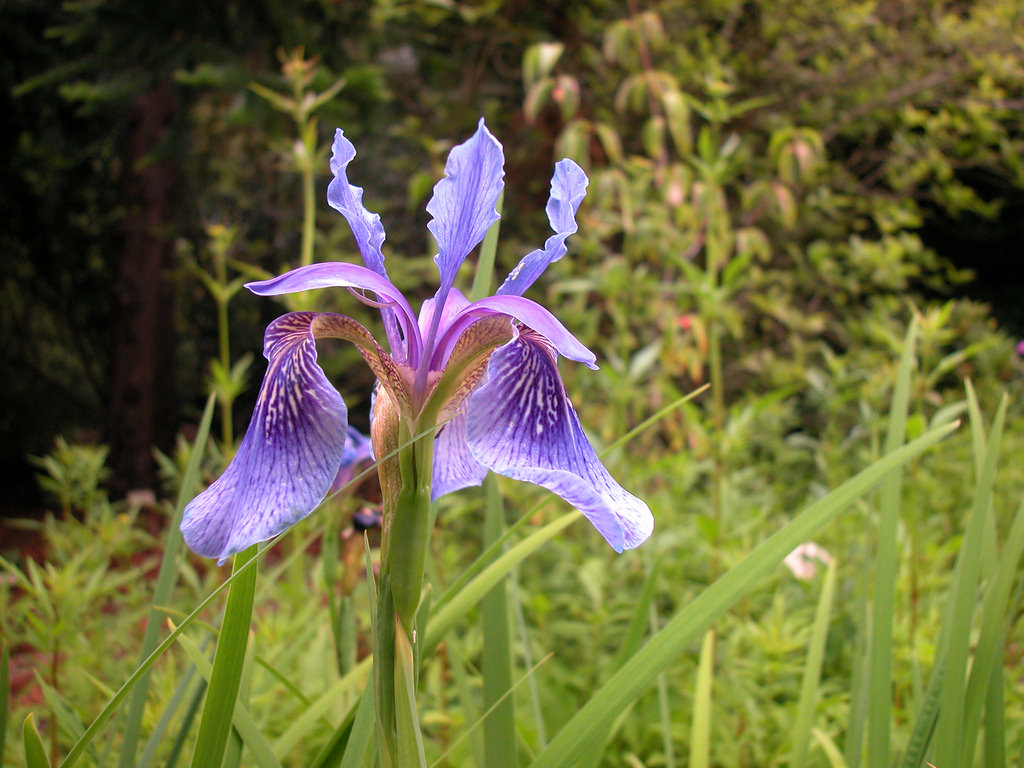
Delavay iris
(Iris delavayi)
Also Known As
Delavay iris, Chinese iris, Yunnan iris
About This Plant
Iris delavayi is a species of flowering plant in the family Iridaceae. It is a rhizomatous perennial that is native to China, specifically to the Yunnan province. The plant produces striking violet-blue flowers with yellow and white markings on the falls.
Plant Care Instructions
Outdoor Size Range
Height: 12-24 inches (30-60 cm), Spread: 6-12 inches (15-30 cm)
Light Requirements
Iris delavayi prefers full sun to partial shade. It requires at least 6 hours of direct sunlight per day.
Humidity Needs
Iris delavayi prefers moderate humidity levels, but it can tolerate drier conditions.
Fertilizing Schedule
The plant benefits from regular fertilization during the growing season, using a balanced fertilizer. However, it should not be overfertilized, as this can lead to weak growth and fewer flowers.
Pruning Guidelines
The plant does not require extensive pruning, but deadheading spent flowers can encourage more blooms. It should also be divided every few years to prevent overcrowding.
Common Pests and Diseases
Iris delavayi is generally not susceptible to pests or diseases. However, it can be affected by iris borer, thrips, and slugs.
Indoor Size Range
Not suitable for indoor cultivation
Watering Schedule
The plant needs regular watering, especially during the growing season. However, it should not be overwatered, as it can lead to root rot. The soil should be well-draining.
Temperature Range
The plant can tolerate a wide range of temperatures, from -20°F to 100°F (-29°C to 38°C). However, it prefers cooler temperatures and can suffer in extreme heat.
Growing Season
The growing season for Iris delavayi is from spring to early summer.
Growing Difficulty Level
Iris delavayi is considered moderately difficult to grow, as it requires specific growing conditions and can be susceptible to certain pests and diseases.
USDA Hardiness Zones
USDA hardiness zones 6a to 9b.
Did You Know?
Iris delavayi is named after the French missionary and plant collector Jean Marie Delavay, who discovered the plant in China in the late 19th century.