Special Web Offer - Get 50% OFF!
Grab Your Deal Now
PlantSnap
Plant Care
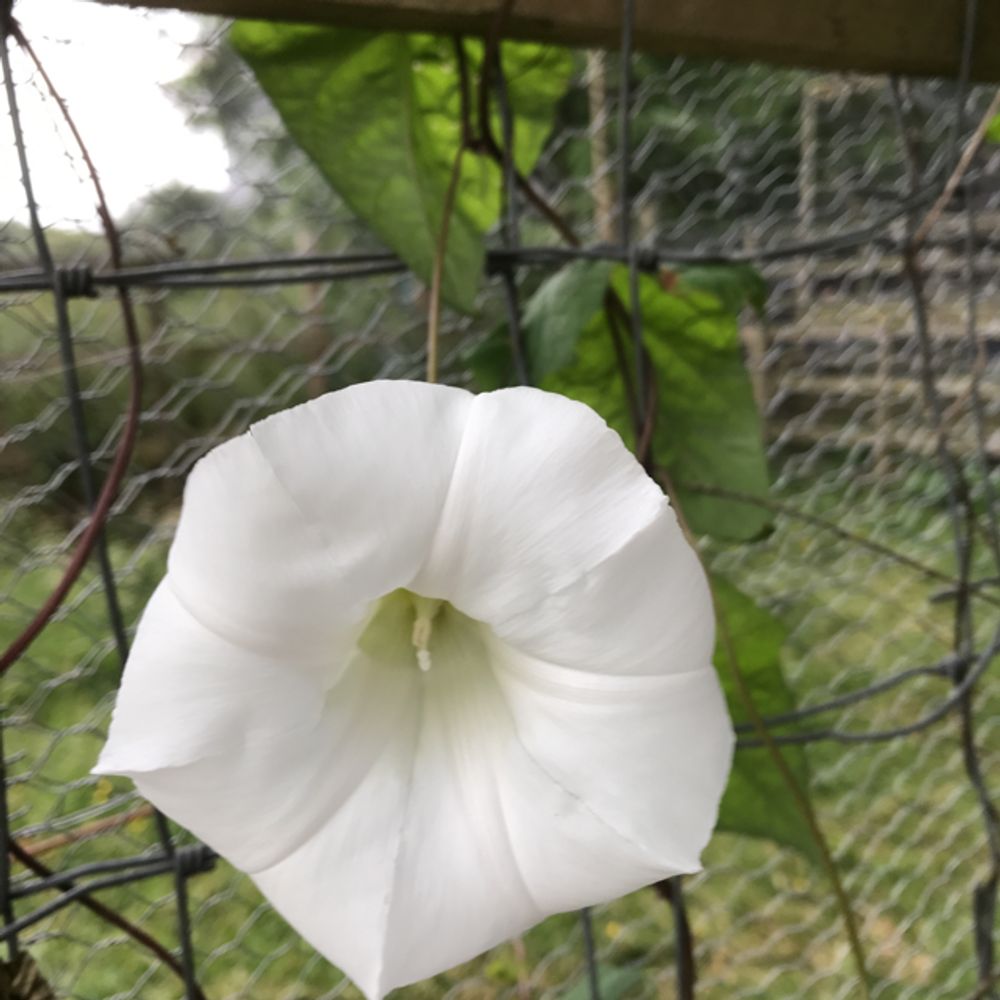
Beach moonflower
(Ipomoea violacea)
Also Known As
Beach moonflower, Heavenly blue morning glory, Blue morning glory, Tropical morning glory
About This Plant
Ipomoea violacea is a species of flowering plant in the family Convolvulaceae, native to the Americas. It is commonly known as morning glory or moonflower due to its large, fragrant, trumpet-shaped flowers that bloom in the morning or evening. The plant has heart-shaped leaves and a twining habit, which means it climbs or trails along the ground.
Plant Care Instructions
Outdoor Size Range
6-12 feet (1.8-3.7 meters)
Light Requirements
Ipomoea violacea requires full sun to partial shade. It prefers at least 6 hours of direct sunlight per day.
Humidity Needs
Ipomoea violacea prefers average to high humidity levels. It can tolerate dry air, but the leaves may turn brown or drop if the air is too dry.
Fertilizing Schedule
Ipomoea violacea benefits from regular fertilization during the growing season. Use a balanced fertilizer with equal amounts of nitrogen, phosphorus, and potassium.
Pruning Guidelines
The plant benefits from regular pruning to control its growth and shape. Prune back any dead or damaged growth and trim back any long, leggy stems.
Common Pests and Diseases
Common pests that can affect Ipomoea violacea include spider mites, whiteflies, and aphids. Diseases that can affect the plant include powdery mildew and leaf spot.
Indoor Size Range
6-12 inches (15-30 cm)
Watering Schedule
The plant requires regular watering, especially during the growing season. It prefers well-drained soil that is kept moist but not waterlogged.
Temperature Range
The plant prefers warm temperatures between 70-85°F (21-29°C). It can tolerate cooler temperatures but may not flower as well.
Growing Season
The plant grows best in the spring and summer months, but can be grown year-round in warm climates.
Growing Difficulty Level
Ipomoea violacea is relatively easy to grow and maintain, making it a good choice for beginner gardeners.
USDA Hardiness Zones
Ipomoea violacea is hardy in USDA zones 8-11.
Did You Know?
In some cultures, the seeds of Ipomoea violacea are used for their psychoactive properties and are sometimes referred to as 'heavenly blue' or 'pearly gates'.