Special Web Offer - Get 50% OFF!
Grab Your Deal Now
PlantSnap
Plant Care
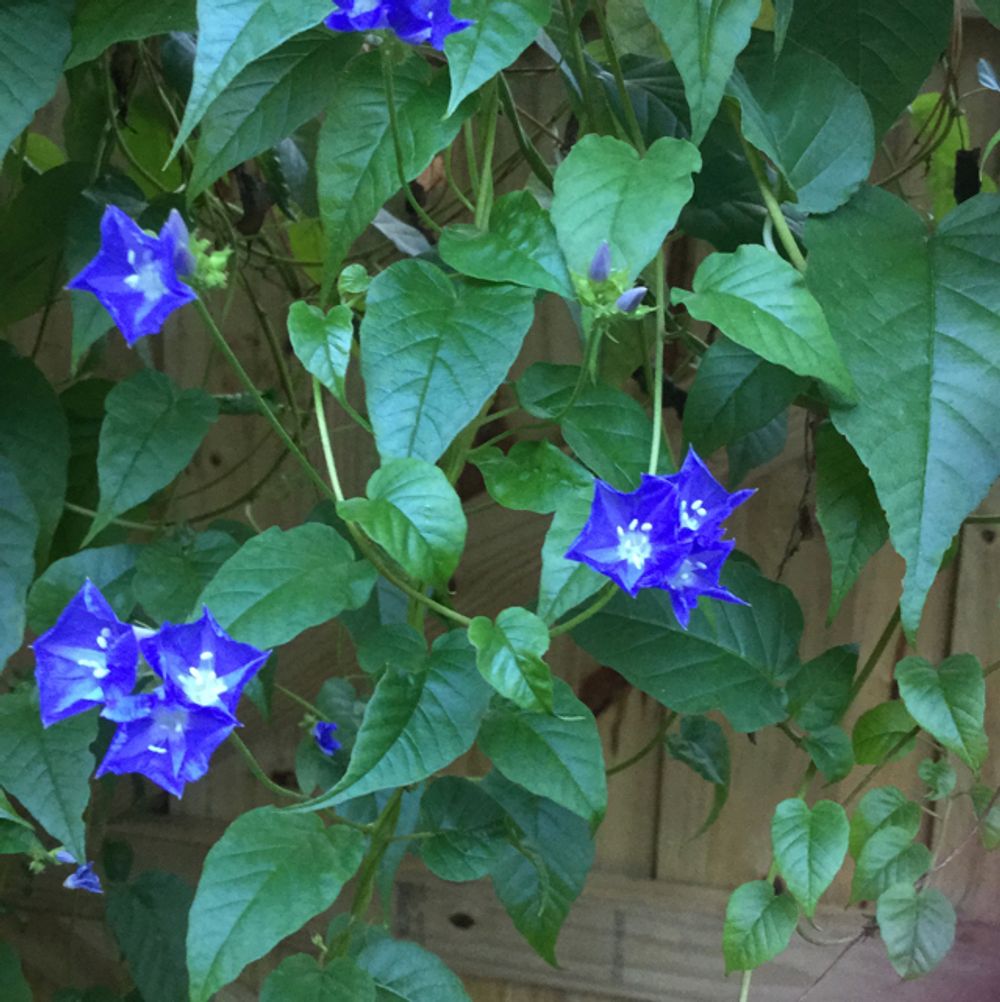
Morning glory
(Ipomoea tricolor)
Also Known As
Morning glory, Heavenly blue morning glory, Blue morning glory
About This Plant
Ipomoea tricolor is a species of flowering plant in the family Convolvulaceae, native to Mexico and Central America. It is an annual or perennial herbaceous vine that can grow up to 10 feet (3 meters) long. The plant has large, heart-shaped leaves and trumpet-shaped flowers that are typically blue, purple, or white in color.
Plant Care Instructions
Outdoor Size Range
Up to 10 feet (3 meters)
Light Requirements
Morning glory plants prefer full sun to partial shade. They need at least 6 hours of direct sunlight per day.
Humidity Needs
Morning glory plants do not have any specific humidity requirements, but they generally prefer moderate humidity levels.
Fertilizing Schedule
Fertilize the plant once a month during the growing season with a balanced fertilizer. Avoid over-fertilizing, as this can lead to excessive foliage growth and fewer flowers.
Pruning Guidelines
Morning glory plants do not require pruning, but they can be trimmed back if they become too large or unruly.
Common Pests and Diseases
Morning glory plants are susceptible to spider mites, aphids, and whiteflies. They can also be affected by fungal diseases such as powdery mildew and rust.
Indoor Size Range
N/A
Watering Schedule
Water the plant regularly, keeping the soil moist but not waterlogged. Avoid overwatering, as this can lead to root rot.
Temperature Range
Morning glory plants prefer warm temperatures between 60°F (15°C) and 90°F (32°C). They are not frost-tolerant and should be protected from cold temperatures.
Growing Season
Morning glory plants grow best in the spring and summer months, but they can be grown year-round in warm climates.
Growing Difficulty Level
Morning glory plants are relatively easy to grow, but they can be invasive and require some maintenance to keep them under control.
USDA Hardiness Zones
Morning glory plants are hardy in USDA zones 9-11.
Did You Know?
Morning glory plants are so named because their flowers often open in the morning and close in the afternoon.
