Special Web Offer - Get 50% OFF!
Grab Your Deal Now
PlantSnap
Plant Care
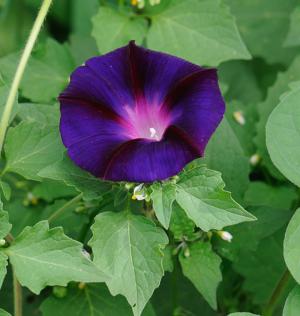
Japanese morning glory
(Ipomoea nil)
Also Known As
Japanese morning glory, Asagao, Blue sky vine, Heavily flowering morning glory
About This Plant
Ipomoea nil is a species of morning glory known by several common names, including picotee morning glory, ivy morning glory, and Japanese morning glory. It is a flowering plant that belongs to the family Convolvulaceae. The plant produces beautiful, trumpet-shaped flowers in various shades of blue, pink, purple, and white. It is an annual vine that can grow up to 6 feet (1.8 meters) long and 3 feet (0.9 meters) wide.
Plant Care Instructions
Outdoor Size Range
Height: 6 feet (1.8 meters), Width: 3 feet (0.9 meters)
Light Requirements
Ipomoea nil requires full sun to grow and produce flowers. It needs at least 6 hours of direct sunlight every day.
Humidity Needs
Ipomoea nil prefers moderate humidity levels. It can tolerate dry air but may benefit from occasional misting during hot and dry weather.
Fertilizing Schedule
Fertilize the plant every 2-3 weeks during the growing season with a balanced fertilizer. Avoid overfertilizing as it can lead to lush foliage but fewer flowers.
Pruning Guidelines
Prune the plant regularly to control its size and shape. Pinch back the tips of the vines to encourage bushier growth and more flowers.
Common Pests and Diseases
Common pests that can affect Ipomoea nil include spider mites, whiteflies, and aphids. Diseases that can affect the plant include fungal leaf spot and powdery mildew.
Indoor Size Range
Not suitable for indoor cultivation
Watering Schedule
The plant needs moderate watering. Water it when the soil is dry to the touch but not completely dry. Avoid overwatering as it can lead to root rot.
Temperature Range
The plant prefers warm temperatures between 60-85°F (15.5-29.4°C). It cannot tolerate frost or freezing temperatures.
Growing Season
The growing season for Ipomoea nil is from late spring to early fall. It can be grown as an annual in colder climates.
Growing Difficulty Level
Ipomoea nil is moderately difficult to grow. It requires regular care and attention to thrive and produce flowers.
USDA Hardiness Zones
Ipomoea nil is not frost-tolerant and can be grown in USDA hardiness zones 9-11.
Did You Know?
In Japan, Ipomoea nil is traditionally grown for the annual Hagi Festival, where the flowers are used to decorate bamboo altars and floats. The festival takes place on the 15th of August every year.