Special Web Offer - Get 50% OFF!
Grab Your Deal Now
PlantSnap
Plant Care
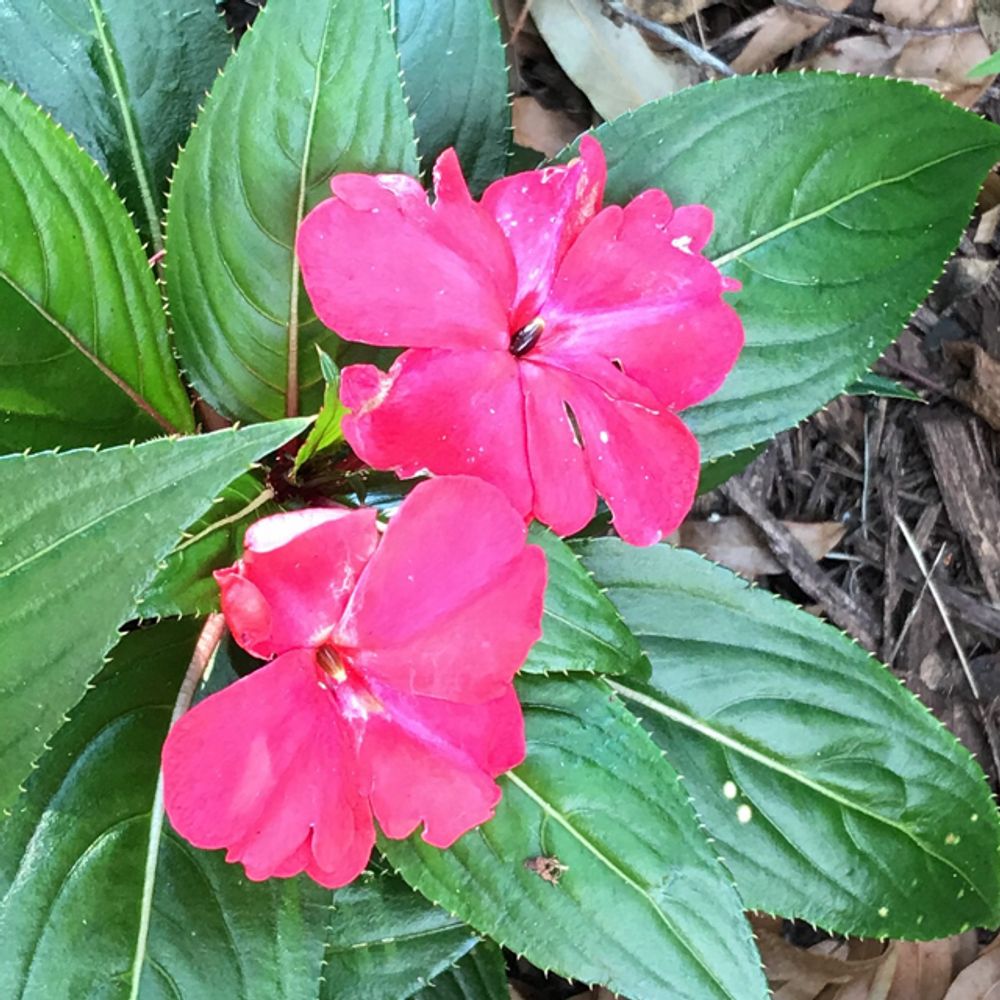
New guinea impatiens
(Impatiens hawkeri)
Also Known As
New guinea impatiens, Giant balsam, Busy lizzie
About This Plant
Impatiens hawkeri, commonly known as New Guinea Impatiens, is a species of flowering plant in the family Balsaminaceae. It is a herbaceous perennial that is native to New Guinea.
Plant Care Instructions
Outdoor Size Range
12-24 inches (30-60 cm)
Light Requirements
New Guinea Impatiens require bright, indirect light to thrive. They can tolerate some direct sunlight but too much can scorch their leaves.
Humidity Needs
New Guinea Impatiens prefer high humidity levels, around 50-60%. A humidifier or pebble tray can help increase humidity levels around the plant.
Fertilizing Schedule
Feed New Guinea Impatiens every 2-3 weeks during the growing season with a balanced, water-soluble fertilizer. Reduce fertilizer during the winter months.
Pruning Guidelines
Pinch back the tips of the plant to encourage bushier growth. Deadhead spent blooms to encourage continued flowering.
Common Pests and Diseases
Common pests include spider mites, whiteflies, and aphids. Diseases such as powdery mildew and root rot can also occur.
Indoor Size Range
6-12 inches (15-30 cm)
Watering Schedule
These plants prefer consistently moist soil, but not waterlogged. Water when the top inch of soil feels dry to the touch.
Temperature Range
These plants prefer temperatures between 65-75°F (18-24°C). They can tolerate temperatures as low as 55°F (13°C) and as high as 85°F (29°C).
Growing Season
New Guinea Impatiens can be grown year-round in tropical climates. In temperate climates, they are typically grown as annuals during the summer months.
Growing Difficulty Level
New Guinea Impatiens are relatively easy to grow, making them a popular choice for gardeners and indoor plant enthusiasts.
USDA Hardiness Zones
New Guinea Impatiens are typically grown as annuals, but they are hardy in USDA zones 10-12.
Did You Know?
New Guinea Impatiens are named after the island of New Guinea, where they are native. They were first introduced to Europe in the early 1970s and have since become a popular garden plant worldwide.
