Special Web Offer - Get 50% OFF!
Grab Your Deal Now
PlantSnap
Plant Care
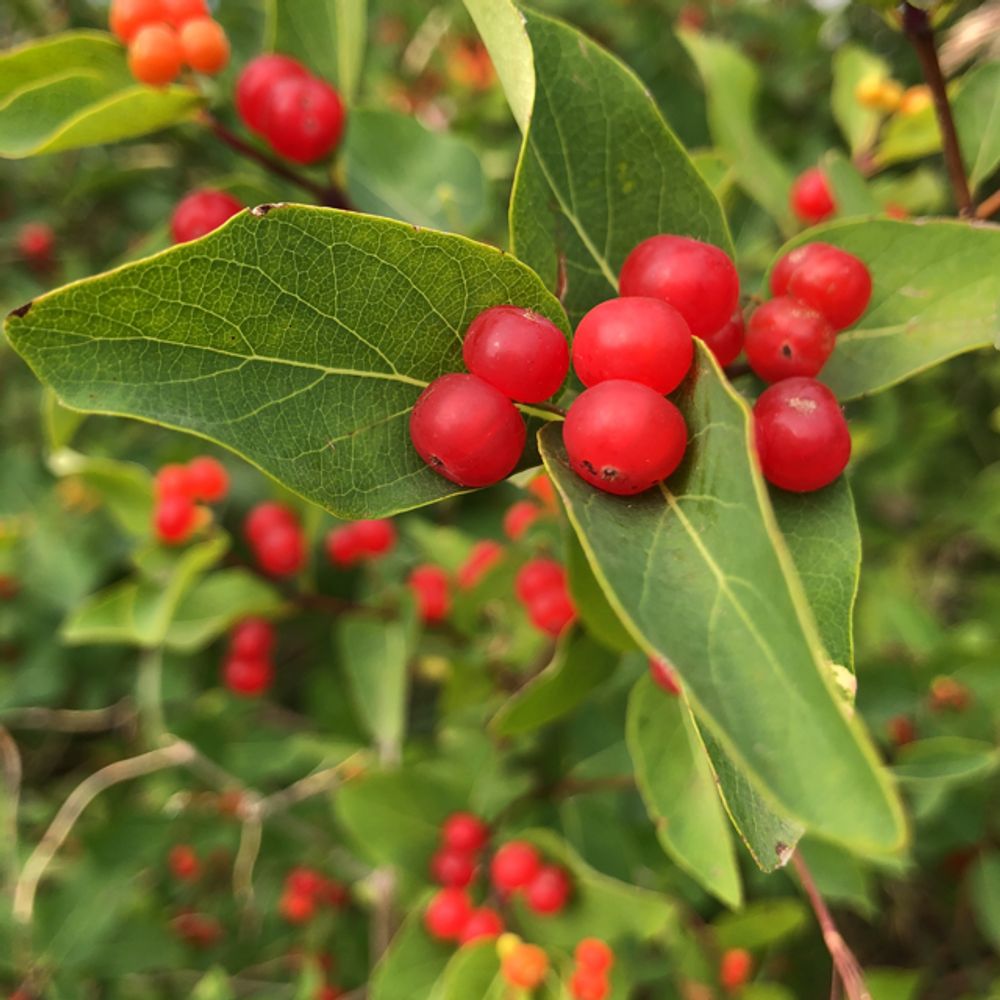
Winterberry
(Ilex verticillata)
Also Known As
Winterberry, Black alder, Michigan holly
About This Plant
Ilex verticillata, commonly known as winterberry or Michigan holly, is a deciduous shrub in the holly family. It is native to eastern North America, ranging from Nova Scotia to Florida and west to Missouri and Texas. The plant typically grows in wetland areas, such as swamps, bogs, and damp woods.
Plant Care Instructions
Outdoor Size Range
3-12 feet (0.9-3.7 meters) tall and wide
Light Requirements
Winterberry prefers full sun to partial shade. It can tolerate some shade, but the plant may produce fewer flowers and fruits in shady conditions.
Humidity Needs
Winterberry does not have specific humidity requirements.
Fertilizing Schedule
Winterberry does not require regular fertilization. However, you can apply a balanced fertilizer in early spring to encourage healthy growth and fruit production.
Pruning Guidelines
Winterberry does not require regular pruning. However, you can prune the plant in late winter or early spring to remove any dead or damaged branches. You can also prune the plant to shape it or to control its size.
Common Pests and Diseases
Winterberry is relatively pest-free. However, the plant may be susceptible to scale insects, spider mites, and leaf spot diseases.
Indoor Size Range
Not suitable for indoor growth
Watering Schedule
Winterberry requires consistently moist soil. It is important to water the plant regularly, especially during hot, dry weather. However, the plant does not tolerate standing water, so it is important to ensure good drainage.
Temperature Range
Winterberry is hardy in USDA zones 3-9. It can tolerate a wide range of temperatures, from -40°F (-40°C) to 100°F (38°C).
Growing Season
Winterberry blooms in late spring to early summer, and the fruit ripens in late summer to early fall. The plant is deciduous, so it loses its leaves in the fall.
Growing Difficulty Level
Winterberry is relatively easy to grow, as long as you provide it with consistently moist soil and good drainage. However, the plant may require some maintenance, such as pruning and fertilization, to ensure healthy growth and fruit production.
USDA Hardiness Zones
USDA hardiness zones 3-9
Did You Know?
Winterberry is dioecious, which means that male and female flowers are produced on separate plants. In order to produce fruit, you need to have both a male and a female plant.
