Special Web Offer - Get 50% OFF!
Grab Your Deal Now
PlantSnap
Plant Care
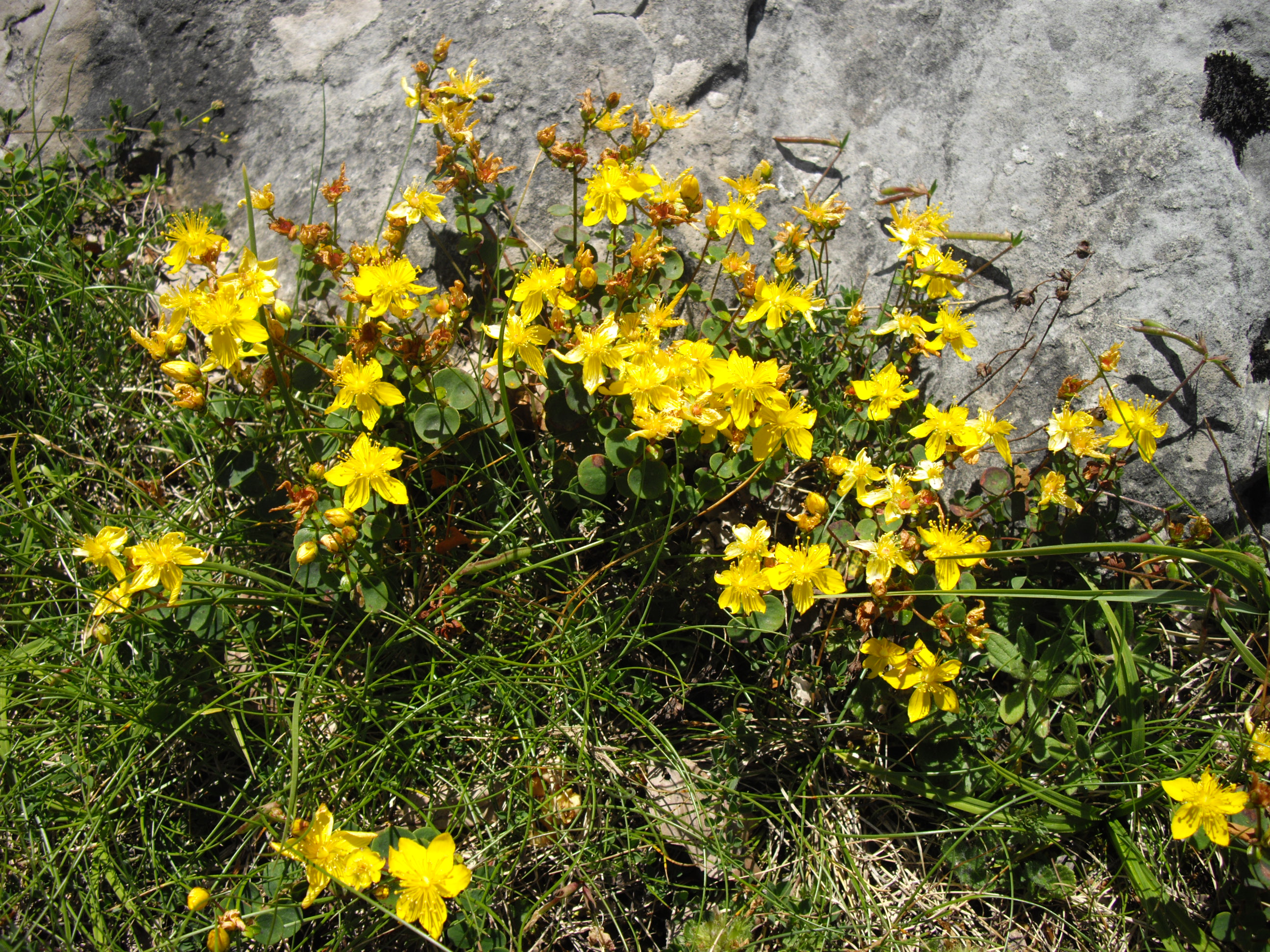
Round-leaved st john's-wort
(Hypericum nummularium)
Also Known As
Round-leaved st john's-wort, Common saint john's wort, Round-leaved st. john's wort, Creeping st. john's wort
About This Plant
Hypericum nummularium, commonly known as Parkleaves or Creeping St. John's-wort, is a low-growing perennial plant species native to Europe and Asia. It has small yellow flowers that bloom from June to September and is often used as a ground cover.
Plant Care Instructions
Outdoor Size Range
6-12 inches (15-30 cm)
Light Requirements
Hypericum nummularium prefers full sun to partial shade, but can also tolerate full shade.
Humidity Needs
It prefers moderate humidity levels, but can tolerate dry air.
Fertilizing Schedule
It does not require a lot of fertilizer, but a light feeding in the spring can help promote growth.
Pruning Guidelines
Pruning is not necessary, but can help maintain a neat appearance. Cut back any dead or damaged stems in the spring.
Common Pests and Diseases
Hypericum nummularium is generally pest and disease resistant, but can occasionally be affected by aphids, spider mites, and powdery mildew.
Indoor Size Range
6-8 inches (15-20 cm)
Watering Schedule
It prefers well-draining soil that is kept consistently moist but not waterlogged. Watering once or twice a week should be sufficient.
Temperature Range
Hypericum nummularium prefers temperatures between 60-75°F (15-24°C), but can tolerate temperatures as low as 50°F (10°C) and as high as 90°F (32°C).
Growing Season
Hypericum nummularium grows from spring to fall.
Growing Difficulty Level
Hypericum nummularium is considered easy to grow and low maintenance.
USDA Hardiness Zones
Hypericum nummularium is hardy in USDA zones 5-9.
Did You Know?
Hypericum nummularium has been used in traditional medicine to treat depression and anxiety, and recent studies have shown that it may have potential as a natural antidepressant.
