Special Web Offer - Get 50% OFF!
Grab Your Deal Now
PlantSnap
Plant Care
Nakai's st. john's wort
(Hypericum nakaii)
Also Known As
Nakai's st. john's wort, Nakai hypericum
About This Plant
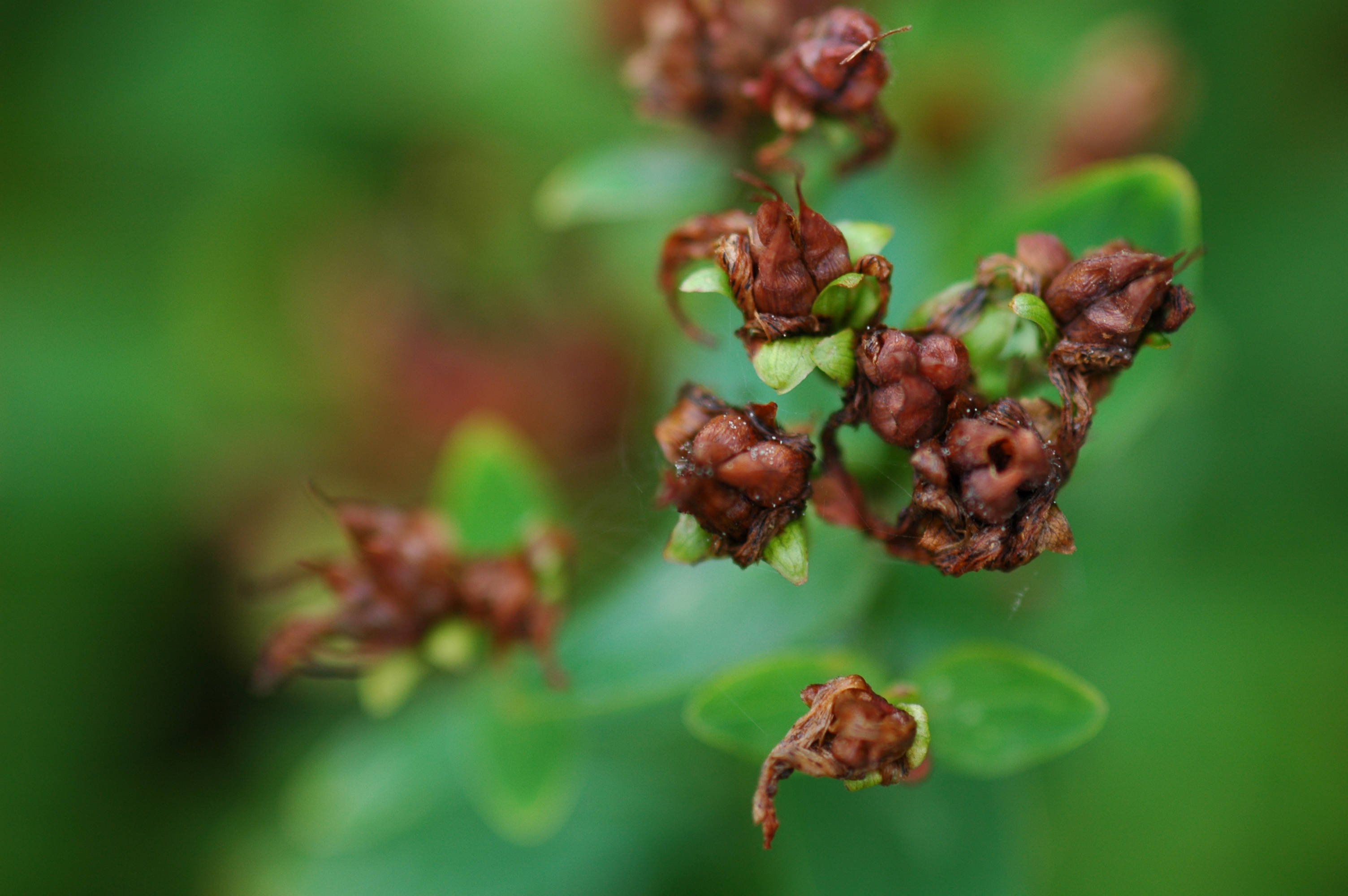
Hypericum nakaii is a species of flowering plant in the family Hypericaceae, native to Japan. It is a deciduous shrub growing up to 1.5 m (5 ft) tall and 1.5 m (5 ft) wide. The plant has a rounded habit and produces clusters of yellow flowers in mid-summer.
Plant Care Instructions
Outdoor Size Range
Up to 1.5 m (5 ft) tall and 1.5 m (5 ft) wide
Light Requirements
Hypericum nakaii prefers full sun to partial shade. It can tolerate some shade, but flowering may be reduced.
Humidity Needs
Hypericum nakaii does not have any specific humidity requirements.
Fertilizing Schedule
Hypericum nakaii does not need much fertilizer. A light application of a balanced fertilizer in early spring can help promote growth and flowering.
Pruning Guidelines
Pruning should be done in late winter or early spring before new growth appears. Any dead or damaged branches should be removed, and the plant can be shaped as desired.
Common Pests and Diseases
Hypericum nakaii is relatively pest-free, but it can be susceptible to rust and leaf spot diseases.
Indoor Size Range
Not suitable for indoor cultivation
Watering Schedule
The plant prefers well-draining soil and regular watering. It should be watered deeply once a week during the growing season and less frequently in winter.
Temperature Range
The plant can tolerate a wide range of temperatures, from -10°C (14°F) to 40°C (104°F). It is hardy to USDA zones 5-9.
Growing Season
Hypericum nakaii grows best in the spring and summer months.
Growing Difficulty Level
Hypericum nakaii is easy to grow and maintain, making it a great choice for beginner gardeners.
USDA Hardiness Zones
USDA hardiness zones 5-9
Did You Know?
Hypericum nakaii is named after the Japanese botanist Takenoshin Nakai, who first described the species in 1924.
