Special Web Offer - Get 50% OFF!
Grab Your Deal Now
PlantSnap
Plant Care
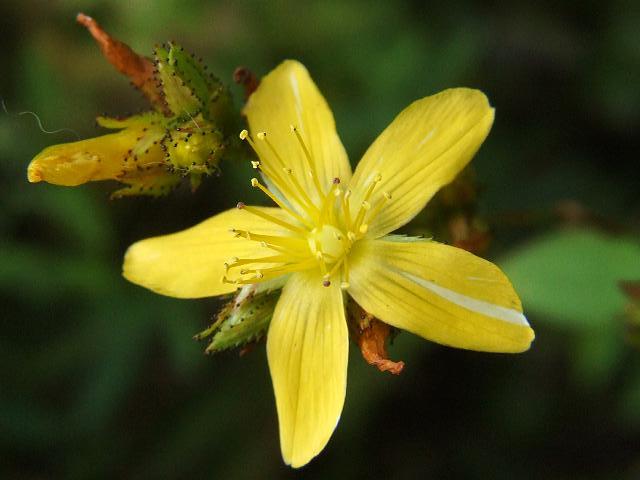
Mountain st. john's wort
(Hypericum montanum)
Also Known As
Mountain st. john's wort, Creeping st. john's wort, Common st. john's wort
About This Plant
Hypericum montanum is a species of flowering plant in the family Hypericaceae, native to Europe and western Asia. It is a deciduous shrub that typically grows up to 1.5 meters tall. The plant produces bright yellow flowers in midsummer, which are followed by red berries in the fall.
Plant Care Instructions
Outdoor Size Range
3-5 feet (90-150 cm)
Light Requirements
Hypericum montanum requires full sun to partial shade. It can tolerate some shade, but flowering will be reduced.
Humidity Needs
Hypericum montanum does not have any specific humidity requirements.
Fertilizing Schedule
The plant does not require fertilization, but a light application of balanced fertilizer in the spring can promote growth and flowering.
Pruning Guidelines
Pruning should be done in the spring before new growth appears. Dead or damaged branches should be removed, and the plant can be shaped as desired.
Common Pests and Diseases
Hypericum montanum is generally not susceptible to pests or diseases, but it can be affected by leaf spot or powdery mildew in humid conditions.
Indoor Size Range
Not suitable for indoor cultivation
Watering Schedule
The plant prefers well-drained soil and regular watering during the growing season. It can tolerate some drought, but excessive dryness can cause leaf drop.
Temperature Range
The plant is hardy to USDA zones 5-9 and can tolerate temperatures down to -20°F (-29°C).
Growing Season
Hypericum montanum grows best in the spring and summer months.
Growing Difficulty Level
Hypericum montanum is relatively easy to grow and maintain.
USDA Hardiness Zones
USDA hardiness zones 5-9
Did You Know?
Hypericum montanum has been used in traditional medicine to treat depression and anxiety, and recent studies have shown that it may have some antidepressant properties.