Special Web Offer - Get 50% OFF!
Grab Your Deal Now
PlantSnap
Plant Care
Costa rican pitahaya
(Hylocereus costaricensis)
Also Known As
Costa rican pitahaya, Red dragon fruit, Costa rican night-blooming cactus, Pitaya roja
About This Plant
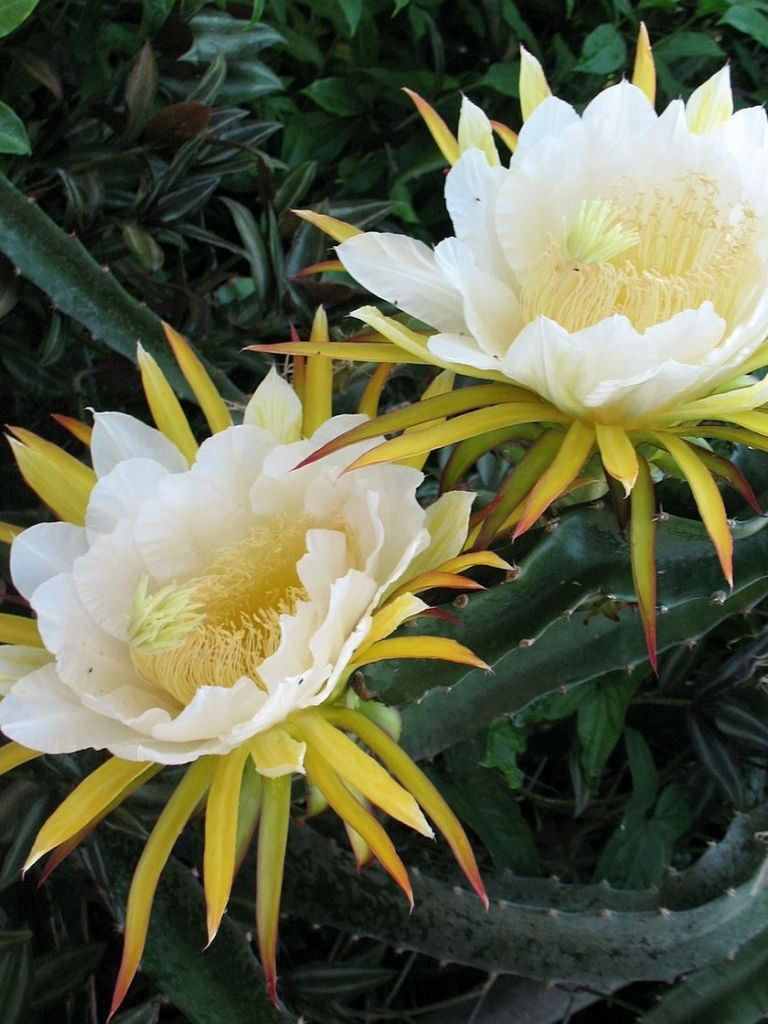
Hylocereus costaricensis is a species of cactus native to Central America. It is a climbing, epiphytic cactus that produces large, fragrant, white flowers that bloom at night and edible, red fruit with green scales. The fruit is commonly known as dragon fruit or pitahaya.
Plant Care Instructions
Outdoor Size Range
20-30 feet (6-9 meters)
Light Requirements
Dragon fruit plants require bright, indirect sunlight for at least 6 hours a day. Direct sunlight can cause sunburn on the leaves.
Humidity Needs
Dragon fruit plants prefer moderate to high humidity levels. They can benefit from occasional misting with water.
Fertilizing Schedule
Dragon fruit plants benefit from regular fertilization during the growing season, using a balanced fertilizer with a higher phosphorus content. Fertilize every 2-3 weeks.
Pruning Guidelines
Dragon fruit plants require regular pruning to control their growth and promote fruiting. Remove any dead or damaged branches and prune back new growth to encourage branching.
Common Pests and Diseases
Common pests for dragon fruit plants include scale insects, mealybugs, spider mites, and thrips. Diseases such as root rot and stem canker can also occur.
Indoor Size Range
12-18 inches (30-45 cm)
Watering Schedule
Dragon fruit plants require regular watering, especially during the growing season. The soil should be kept moist but not waterlogged. During the dormant season, reduce watering to once a month.
Temperature Range
Dragon fruit plants prefer warm temperatures between 65-85°F (18-29°C). They can tolerate temperatures as low as 32°F (0°C) for short periods of time.
Growing Season
Dragon fruit plants have a long growing season, typically from late spring to early fall.
Growing Difficulty Level
Dragon fruit plants are relatively easy to grow as long as their basic needs are met. They require regular watering and fertilization, as well as proper pruning and pest control.
USDA Hardiness Zones
Dragon fruit plants are hardy in USDA zones 10-11.
Did You Know?
Dragon fruit is a symbol of good luck and prosperity in Asian cultures, and is often given as a gift during holidays and special occasions.