Special Web Offer - Get 50% OFF!
Grab Your Deal Now
PlantSnap
Plant Care
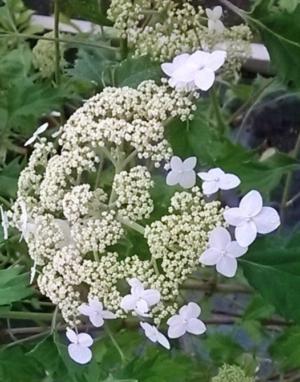
Mountain hydrangea
(Hydrangea gracilis)
Also Known As
Mountain hydrangea, Smooth hydrangea, Hillside hydrangea, Hydrangea
About This Plant
Hydrangea gracilis is a deciduous shrub that grows up to 6 feet (1.8 meters) tall and 6 feet (1.8 meters) wide. It has slender, arching branches and produces clusters of fragrant, white flowers in the summer.
Plant Care Instructions
Outdoor Size Range
4-6 feet (1.2-1.8 meters) tall and wide
Light Requirements
Oakleaf hydrangeas prefer partial shade to full shade. They can tolerate some morning sun but should be protected from hot afternoon sun.
Humidity Needs
Oakleaf hydrangeas prefer high humidity. You can increase humidity by placing a humidifier nearby or by misting the leaves with water.
Fertilizing Schedule
Fertilize in early spring with a slow-release, balanced fertilizer. Avoid fertilizing in late summer or fall, as this can encourage new growth that may not harden off before winter.
Pruning Guidelines
Prune in late winter or early spring before new growth appears. Remove any dead or damaged wood, and cut back any stems that are crossing or rubbing against each other. You can also remove up to one-third of the oldest stems to encourage new growth.
Common Pests and Diseases
Common pests include aphids, spider mites, and scale insects. Diseases that can affect oakleaf hydrangeas include powdery mildew and leaf spot.
Indoor Size Range
Not suitable for indoor cultivation
Watering Schedule
Keep the soil consistently moist but not waterlogged. Hydrangeas are sensitive to drought and may wilt if they do not receive enough water.
Temperature Range
Oakleaf hydrangeas are hardy in USDA zones 5-9 and can tolerate temperatures as low as -15°F (-26°C). They prefer cool to moderate temperatures and may suffer in hot, dry conditions.
Growing Season
The growing season for oakleaf hydrangeas is from spring to fall.
Growing Difficulty Level
Oakleaf hydrangeas are moderately easy to grow, but they require consistent moisture and may suffer in hot, dry conditions.
USDA Hardiness Zones
USDA hardiness zones 5-9
Did You Know?
The name 'Hydrangea' comes from the Greek words 'hydor' (water) and 'angeion' (vessel), referring to the cup-shaped flowers and the plant's preference for moist soil.
