Special Web Offer - Get 50% OFF!
Grab Your Deal Now
PlantSnap
Plant Care
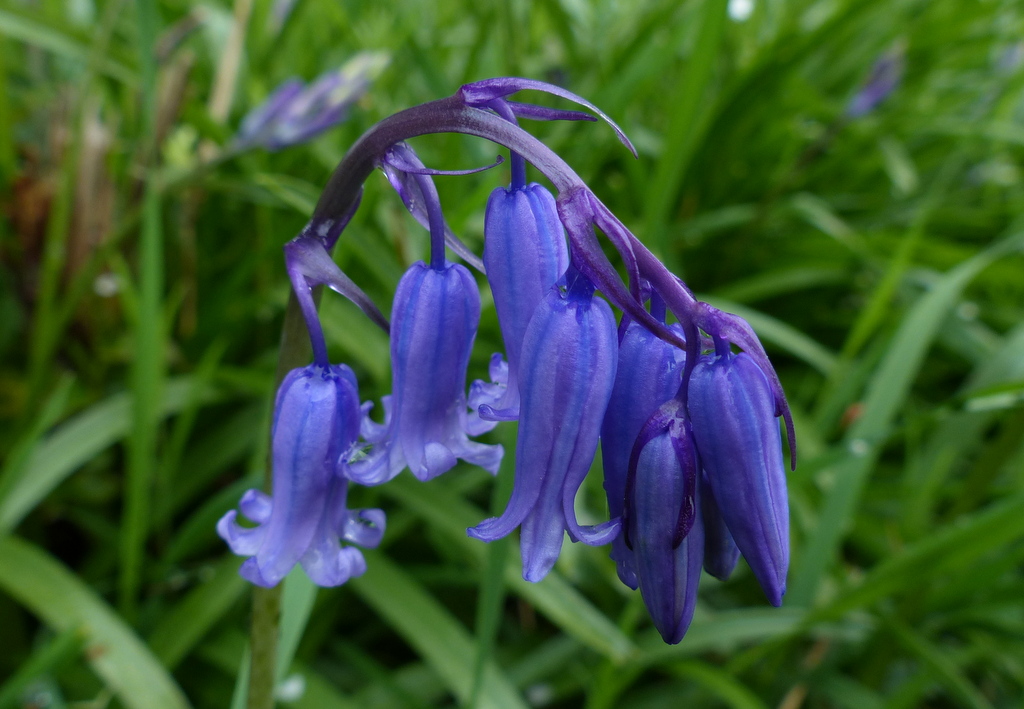
Bluebell
(Hyacinthoides non-scripta)
Also Known As
Bluebell, Common bluebell, English bluebell, Wild hyacinth
About This Plant
Hyacinthoides non-scripta is a bulbous perennial plant species native to Western Europe. It produces spikes of bell-shaped flowers in shades of blue, pink, and white, which bloom in early spring.
Plant Care Instructions
Outdoor Size Range
6-12 inches (15-30 cm)
Light Requirements
English Bluebells prefer partial shade to full shade. They can tolerate some sun, but too much direct sunlight can damage the flowers.
Humidity Needs
English Bluebells prefer moderate humidity levels, but can tolerate drier air.
Fertilizing Schedule
Fertilizer is generally not necessary for English Bluebells, but a light application of a balanced fertilizer can be applied in late winter or early spring.
Pruning Guidelines
Deadhead the flowers after they have bloomed to prevent the plant from producing seeds and to encourage more blooms the following year. Once the leaves have yellowed, they can be cut back.
Common Pests and Diseases
English Bluebells are generally not affected by pests or diseases.
Indoor Size Range
N/A
Watering Schedule
Water the bulbs well when planting and keep them moist during the growing season. Reduce watering once the flowers have bloomed and the leaves begin to yellow.
Temperature Range
They can tolerate a wide range of temperatures, but prefer cooler temperatures between 50-60°F (10-15°C).
Growing Season
Spring
Growing Difficulty Level
Easy to grow
USDA Hardiness Zones
3-9
Did You Know?
The sap from English Bluebells was once used to bind books and create glue.
