Special Web Offer - Get 50% OFF!
Grab Your Deal Now
PlantSnap
Plant Care
Plantain lily
(Hosta sieboldiana)
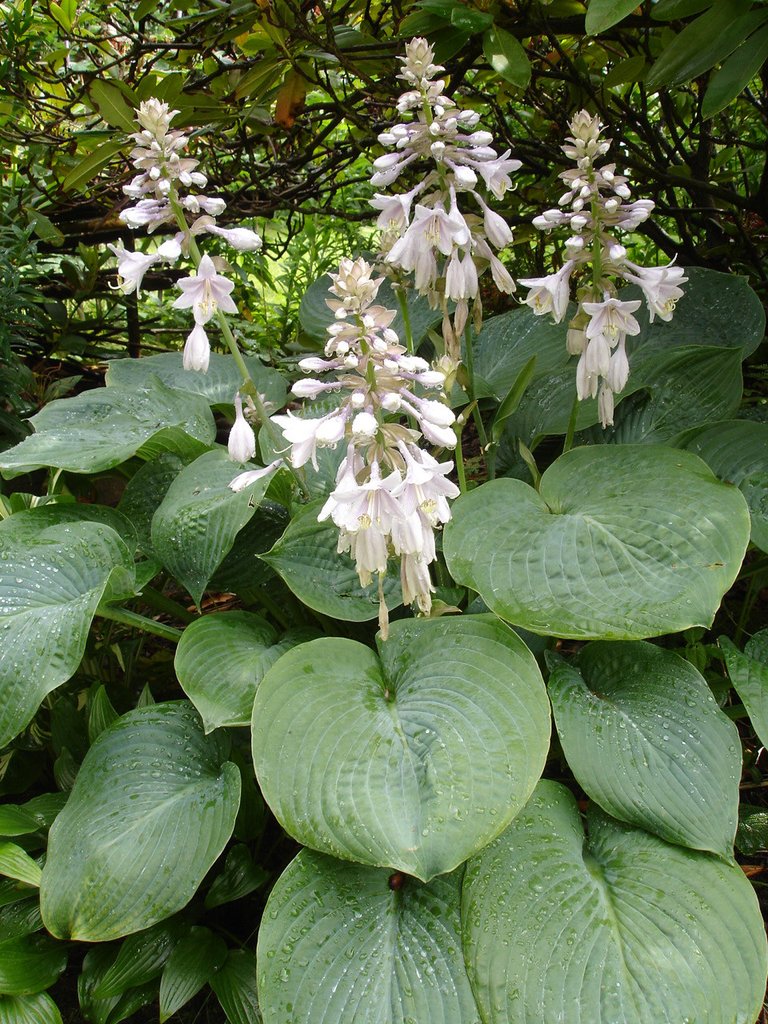
Also Known As
Plantain lily, Siebold hosta, Giant hosta, Blue hosta
About This Plant
Hosta sieboldiana is a herbaceous perennial plant species native to Japan. It is known for its large, heart-shaped leaves that grow in a rosette pattern. The plant produces white or lavender flowers on tall spikes in the summer.
Plant Care Instructions
Outdoor Size Range
18-48 inches (45-120 cm)
Light Requirements
Hosta sieboldiana prefers partial to full shade. Too much direct sunlight can scorch the leaves.
Humidity Needs
Hosta sieboldiana prefers high humidity levels. If the air is dry, misting the leaves can help.
Fertilizing Schedule
Hosta sieboldiana benefits from regular fertilization during the growing season. A balanced fertilizer with equal amounts of nitrogen, phosphorus, and potassium is recommended.
Pruning Guidelines
The plant does not require regular pruning, but dead leaves and flowers should be removed to promote healthy growth.
Common Pests and Diseases
Common pests for Hosta sieboldiana include slugs, snails, and aphids. It can also be susceptible to fungal diseases like leaf spot and crown rot.
Indoor Size Range
12-24 inches (30-60 cm)
Watering Schedule
The plant requires regular watering, especially during dry spells. The soil should be kept moist but not waterlogged.
Temperature Range
The plant prefers cool temperatures, ideally between 60-75°F (15-24°C). It can tolerate colder temperatures in the winter.
Growing Season
Hosta sieboldiana grows best in the spring and summer months.
Growing Difficulty Level
Hosta sieboldiana is relatively easy to grow, but it does require regular maintenance and attention to watering and fertilization.
USDA Hardiness Zones
Hosta sieboldiana is hardy in USDA zones 3-8.
Did You Know?
Hosta sieboldiana is named after the German physician and botanist Philipp Franz von Siebold, who introduced the plant to Europe in the mid-19th century.
