Special Web Offer - Get 50% OFF!
Grab Your Deal Now
PlantSnap
Plant Care
Ekoram
(Holarrhena pubescens)
Also Known As
Ekoram, Pill grass, Consess grass, Telosma, Jungli jeev, Kuppa
About This Plant
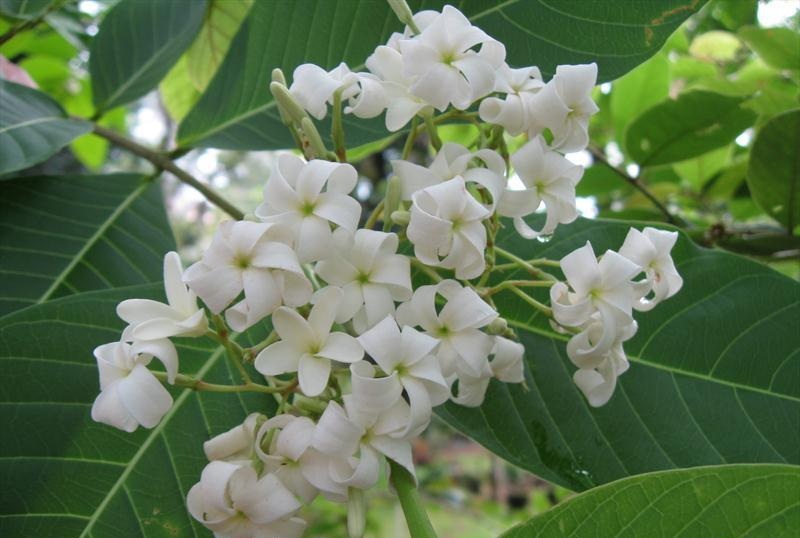
Holarrhena pubescens is a flowering plant species that belongs to the family Apocynaceae. It is a small tree or shrub that grows up to 8 meters in height with a greyish-brown bark. The leaves are simple, opposite, elliptical or ovate, and measure between 10-20 cm in length. The flowers are small, white, and have a sweet fragrance. The fruit is a woody capsule that is 10-20 cm long and contains numerous seeds. The plant is commonly used in traditional medicine to treat various ailments.
Plant Care Instructions
Outdoor Size Range
Height: 6-8 meters (20-26 feet), Width: 4-6 meters (13-20 feet)
Light Requirements
Holarrhena pubescens requires full sun to partial shade for optimal growth. It can tolerate shade but may not flower as much.
Humidity Needs
Holarrhena pubescens prefers moderate humidity levels, but it can tolerate low humidity.
Fertilizing Schedule
The plant does not require regular fertilization. However, adding organic fertilizer during the growing season can improve growth and flowering.
Pruning Guidelines
Pruning is not necessary but can help maintain the plant's shape and size. It is best to prune after flowering to avoid cutting off potential flower buds.
Common Pests and Diseases
The plant is relatively pest-resistant but can be affected by mealybugs, scale insects, and spider mites.
Indoor Size Range
Not suitable for indoor growth
Watering Schedule
The plant prefers well-drained soil and moderate watering. It is drought-tolerant and can survive in dry conditions, but overwatering can lead to root rot.
Temperature Range
The plant can tolerate a wide range of temperatures, from 10-40°C (50-104°F). It is frost-sensitive and cannot survive in freezing temperatures.
Growing Season
The growing season for Holarrhena pubescens is from spring to fall.
Growing Difficulty Level
Holarrhena pubescens is relatively easy to grow and maintain.
USDA Hardiness Zones
Holarrhena pubescens is hardy in USDA zones 9-11.
Did You Know?
Holarrhena pubescens is also known as the 'Moonseed Tree' because of the shape of its fruit, which resembles a crescent moon.
