Special Web Offer - Get 50% OFF!
Grab Your Deal Now
PlantSnap
Plant Care
Johnson's amaryllis
(Hippeastrum johnsonii)
Also Known As
Johnson's amaryllis, Amaryllis, Barbados lily
About This Plant
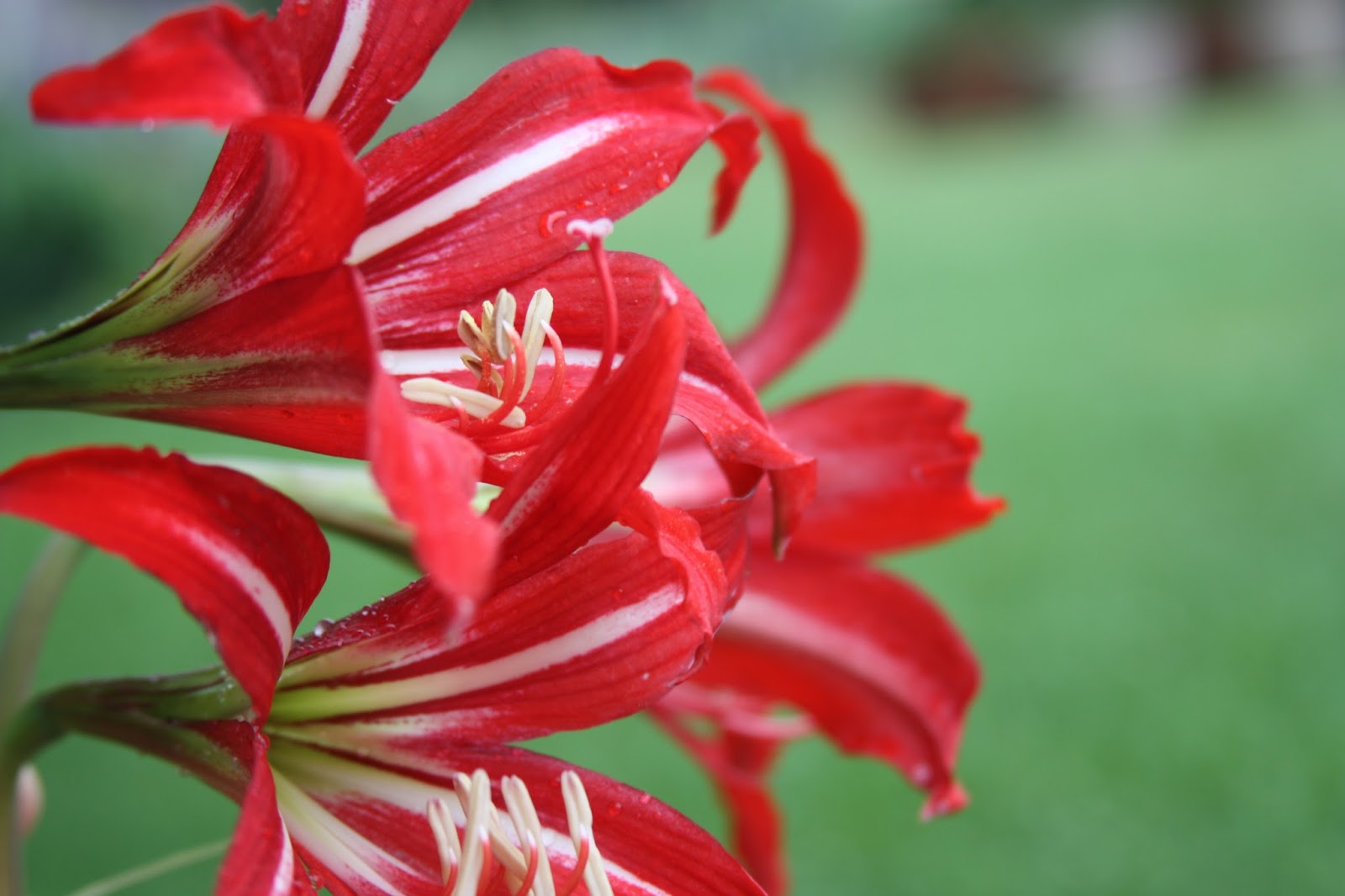
Hippeastrum johnsonii is a bulbous perennial plant species that belongs to the Amaryllidaceae family. This plant species is native to South America and is commonly known as the 'St. Joseph's Lily'. It produces large red flowers with white stripes and has narrow, strap-like leaves.
Plant Care Instructions
Outdoor Size Range
18-24 inches (45-60 cm)
Light Requirements
Hippeastrum johnsonii prefers bright, indirect light. It can tolerate some direct sunlight, but too much can scorch its leaves.
Humidity Needs
Hippeastrum johnsonii prefers moderate humidity levels. It can tolerate dry air but will benefit from occasional misting.
Fertilizing Schedule
Feed the plant with a balanced fertilizer every 2-3 weeks during the growing season (spring and summer). Stop fertilizing in the fall and winter when the plant is dormant.
Pruning Guidelines
Remove spent flowers and yellowing leaves to promote new growth. Cut back the leaves to the base of the plant after they have turned yellow in the fall.
Common Pests and Diseases
Common pests that can affect Hippeastrum johnsonii include spider mites, mealybugs, and aphids. Diseases such as bulb rot and leaf spot can also occur.
Indoor Size Range
12-18 inches (30-45 cm)
Watering Schedule
Water the plant when the top inch of soil feels dry to the touch. Avoid overwatering as it can cause root rot.
Temperature Range
The plant prefers temperatures between 60-75°F (15-24°C). It can tolerate higher temperatures but should be kept away from cold drafts.
Growing Season
The growing season for Hippeastrum johnsonii is from spring to summer.
Growing Difficulty Level
Hippeastrum johnsonii is moderately difficult to grow. It requires specific care and attention to bloom successfully.
USDA Hardiness Zones
Hippeastrum johnsonii is not frost hardy and is best grown in USDA hardiness zones 9-11.
Did You Know?
In Greek, Hippeastrum means 'horseman's star', which is a reference to the shape of the flower's stigma that resembles a star.
