Special Web Offer - Get 50% OFF!
Grab Your Deal Now
PlantSnap
Plant Care
Pinon hibiscus
(Hibiscus pinonianus)
Also Known As
Pinon hibiscus, Hawaiian hibiscus, Ho'awa
About This Plant
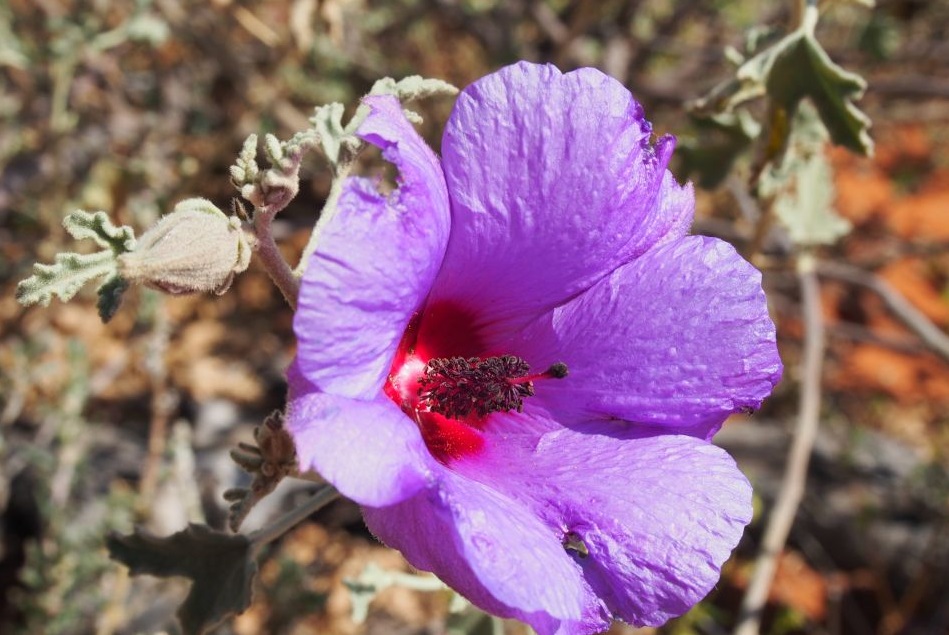
Hibiscus pinonianus is a species of flowering plant in the Hibiscus family, Malvaceae. It is a shrub or small tree that can grow up to 20 feet (6 meters) tall. The leaves are green, glossy, and heart-shaped with serrated edges. The flowers are large, showy, and bright yellow with a maroon center. They bloom in the summer and fall.
Plant Care Instructions
Outdoor Size Range
10-20 feet (3-6 meters)
Light Requirements
Hibiscus pinonianus prefers full sun but can tolerate some shade. If grown in too much shade, it may produce fewer flowers.
Humidity Needs
Hibiscus pinonianus prefers moderate to high humidity levels. It can benefit from misting or placing a tray of water near the plant to increase humidity.
Fertilizing Schedule
Hibiscus pinonianus benefits from regular fertilization during the growing season. A balanced fertilizer with a higher phosphorus content can encourage flowering.
Pruning Guidelines
Hibiscus pinonianus can be pruned to maintain its shape and encourage bushier growth. Pruning should be done after flowering to avoid cutting off potential blooms.
Common Pests and Diseases
Common pests of Hibiscus pinonianus include aphids, spider mites, and whiteflies. It can also be susceptible to fungal diseases if grown in humid conditions.
Indoor Size Range
Not suitable for indoor cultivation
Watering Schedule
Hibiscus pinonianus requires regular watering, especially during the growing season. The soil should be kept moist but not waterlogged.
Temperature Range
Hibiscus pinonianus prefers warm temperatures between 60-90°F (15-32°C). It can tolerate some cooler temperatures but is not frost-tolerant.
Growing Season
Hibiscus pinonianus grows best in the summer and fall when temperatures are warm and days are long.
Growing Difficulty Level
Hibiscus pinonianus can be moderately difficult to grow due to its specific needs for light, water, and temperature. It may also be susceptible to pests and diseases if not properly cared for.
USDA Hardiness Zones
Hibiscus pinonianus is hardy in USDA zones 10-11.
Did You Know?
Hibiscus pinonianus is endemic to the Hawaiian Islands and is a rare plant in cultivation outside of its native range.
