Special Web Offer - Get 50% OFF!
Grab Your Deal Now
PlantSnap
Plant Care
Mexican hibiscus
(Hibiscus martianus)
Also Known As
Mexican hibiscus, Martian hibiscus, Hibiscus de martius
About This Plant
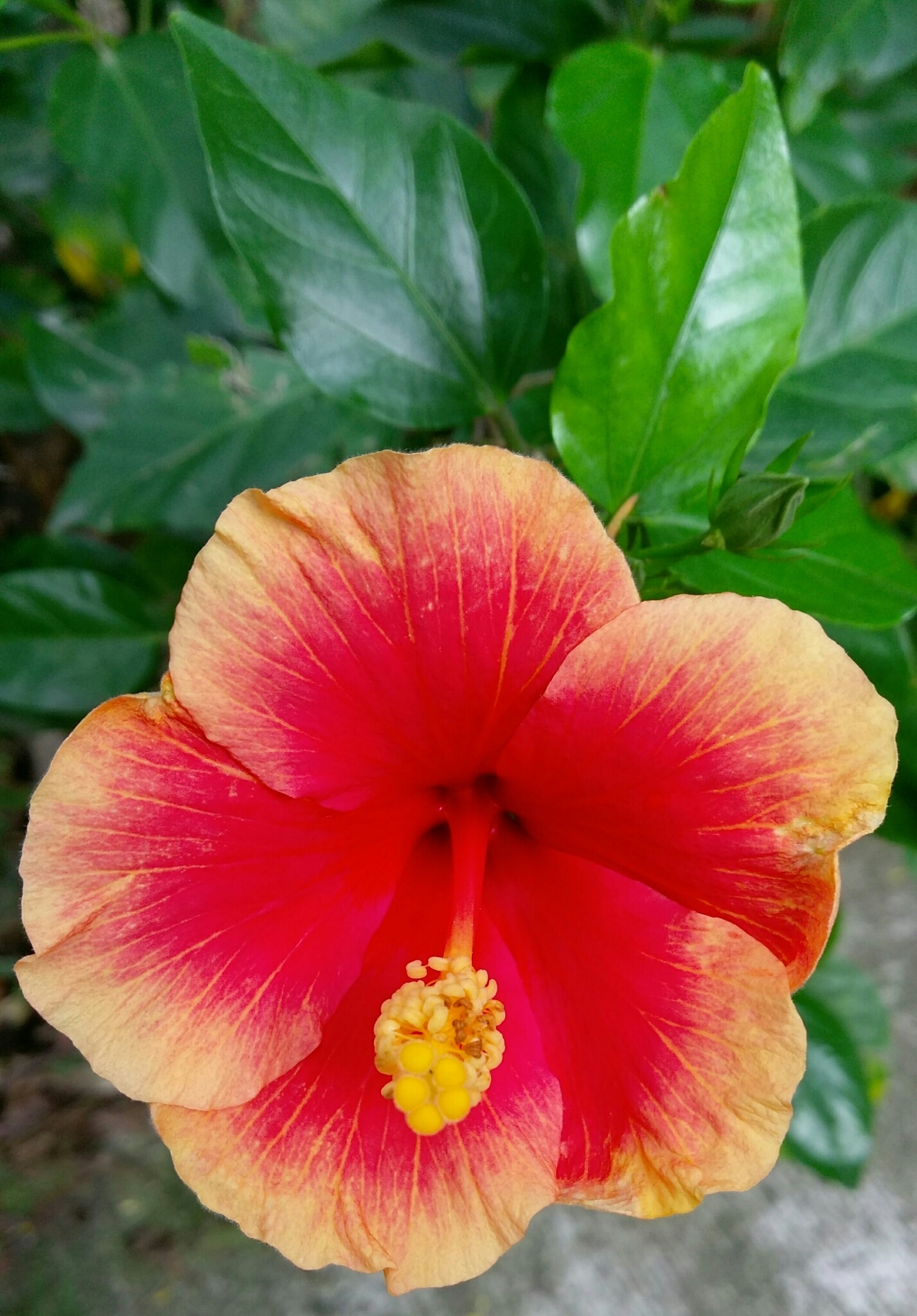
Hibiscus martianus is a flowering plant species that belongs to the Malvaceae family. It is a shrub that can reach up to 6 feet (1.8 meters) in height and has a spread of 4 feet (1.2 meters). The plant has large, showy flowers that are typically red or pink in color and can reach up to 4 inches (10 cm) in diameter. The leaves are green and glossy, and the plant has a woody stem.
Plant Care Instructions
Outdoor Size Range
Height: 6 feet (1.8 meters), Spread: 4 feet (1.2 meters)
Light Requirements
Hibiscus martianus requires full sun to partial shade. It is best to provide it with at least 6 hours of direct sunlight per day.
Humidity Needs
Hibiscus martianus prefers moderate to high humidity levels. It is a good idea to mist the plant occasionally to increase humidity levels.
Fertilizing Schedule
The plant benefits from regular fertilization during the growing season. A balanced fertilizer with equal amounts of nitrogen, phosphorus, and potassium is recommended. It is important to follow the manufacturer's instructions for application rates.
Pruning Guidelines
Pruning is not necessary for Hibiscus martianus, but it can help to promote bushier growth and more flowers. It is best to prune in the early spring before new growth appears.
Common Pests and Diseases
The plant is susceptible to aphids, spider mites, and whiteflies. Regular inspection and treatment with insecticidal soap can help to prevent infestations.
Indoor Size Range
Not suitable for indoor growing
Watering Schedule
The plant requires regular watering, especially during the growing season. The soil should be kept moist but not waterlogged. It is important to avoid overwatering, as this can lead to root rot.
Temperature Range
The plant prefers warm temperatures and cannot tolerate frost. It is best to keep it in a location where the temperature does not drop below 50°F (10°C).
Growing Season
The growing season for Hibiscus martianus is from spring to fall. It is best to bring the plant indoors or protect it from frost during the winter months.
Growing Difficulty Level
Hibiscus martianus is moderately difficult to grow. It requires regular attention to watering, fertilizing, and pest control. However, with proper care, it can be a rewarding plant to grow.
USDA Hardiness Zones
Hibiscus martianus is hardy in USDA zones 9 to 11.
Did You Know?
Hibiscus martianus is also known as the Martian Rosemallow because it was first discovered growing in the Martian landscape of Arizona.
