Special Web Offer - Get 50% OFF!
Grab Your Deal Now
PlantSnap
Plant Care
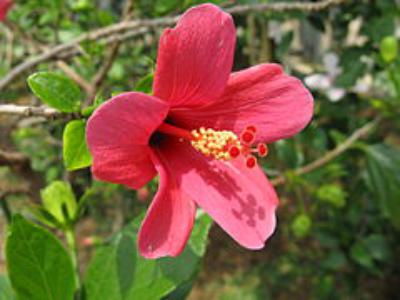
Liliflora hibiscus
(Hibiscus liliiflorus)
Also Known As
Liliflora hibiscus, Giant roselle, Lily-flowered hibiscus, Shoe-fly plant
About This Plant
Hibiscus liliiflorus is a flowering plant species that belongs to the Malvaceae family. The plant is native to Madagascar and is commonly known as the Lily-flowered Hibiscus. It is a small shrub that can grow up to 6 feet (1.8 meters) tall.
Plant Care Instructions
Outdoor Size Range
4-6 feet (122-183 cm)
Light Requirements
Hibiscus liliiflorus prefers full sun to partial shade. It needs at least 6 hours of direct sunlight daily.
Humidity Needs
The plant prefers high humidity levels. It is recommended to mist the leaves regularly to increase the humidity around the plant.
Fertilizing Schedule
The plant requires regular fertilization during the growing season. Use a balanced fertilizer every 2-3 weeks.
Pruning Guidelines
Prune the plant in late winter or early spring to promote bushy growth and remove any dead or damaged branches.
Common Pests and Diseases
Common pests for Hibiscus liliiflorus include spider mites, whiteflies, and aphids. Diseases that can affect the plant include leaf spot and root rot.
Indoor Size Range
2-4 feet (61-122 cm)
Watering Schedule
The plant requires regular watering, especially during the growing season. The soil should be kept moist but not waterlogged.
Temperature Range
The plant grows well in warm temperatures between 60-90°F (15-32°C). It cannot tolerate frost and should be protected from cold temperatures.
Growing Season
The growing season for Hibiscus liliiflorus is from spring to fall.
Growing Difficulty Level
Hibiscus liliiflorus is moderately difficult to grow. It requires regular care and attention to thrive.
USDA Hardiness Zones
Hibiscus liliiflorus is hardy in USDA zones 9-11.
Did You Know?
The flowers of Hibiscus liliiflorus are edible and are used in some cultures to make a refreshing drink called 'bissap'.
