Special Web Offer - Get 50% OFF!
Grab Your Deal Now
PlantSnap
Plant Care
Rose mallow
(Hibiscus L)
Also Known As
Rose mallow, Hibiscus, China rose, Jamaica sorrel, Hibiscus tea
About This Plant
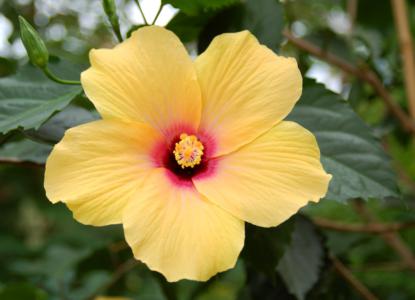
Hibiscus L is a genus of flowering plants in the mallow family, Malvaceae. The species are known for their large, showy flowers that come in a variety of colors, including red, pink, yellow, and white. The flowers have five petals and a distinctive trumpet shape. Hibiscus L plants are commonly grown as ornamental plants in gardens and as houseplants.
Plant Care Instructions
Outdoor Size Range
4-8 feet (1.2-2.4 m)
Light Requirements
Hibiscus plants require bright, direct sunlight for at least six hours a day. They can also tolerate partial shade.
Humidity Needs
Hibiscus plants prefer high humidity levels, around 50-60%. They can benefit from regular misting or a humidifier.
Fertilizing Schedule
Hibiscus plants benefit from regular fertilization during the growing season. Use a balanced fertilizer with a ratio of 10-10-10 or 20-20-20.
Pruning Guidelines
Hibiscus plants require regular pruning to maintain their shape and promote new growth. Prune in the early spring before new growth appears.
Common Pests and Diseases
Common pests for Hibiscus plants include aphids, spider mites, and whiteflies. Diseases like leaf spot and powdery mildew can also affect Hibiscus plants.
Indoor Size Range
24-36 inches (61-91 cm)
Watering Schedule
Hibiscus plants require regular watering, especially during the growing season. They prefer moist soil but can tolerate short periods of drought.
Temperature Range
Hibiscus plants prefer warm temperatures between 60-90°F (15-32°C). They can tolerate cooler temperatures but may suffer if exposed to frost.
Growing Season
Hibiscus plants grow best during the warm months of spring and summer.
Growing Difficulty Level
Hibiscus plants can be moderately difficult to grow, as they require specific growing conditions and regular maintenance.
USDA Hardiness Zones
Hibiscus plants are hardy in USDA zones 9-11.
Did You Know?
The Hibiscus flower is the national flower of South Korea and Malaysia. In Hawaii, the Hibiscus is used to make leis and is also the state flower.
