Special Web Offer - Get 50% OFF!
Grab Your Deal Now
PlantSnap
Plant Care
Mandrinette
(Hibiscus fragilis)
Also Known As
Mandrinette, Fragile hibiscus, Hibiscus de l’archipel, Café de mer
About This Plant
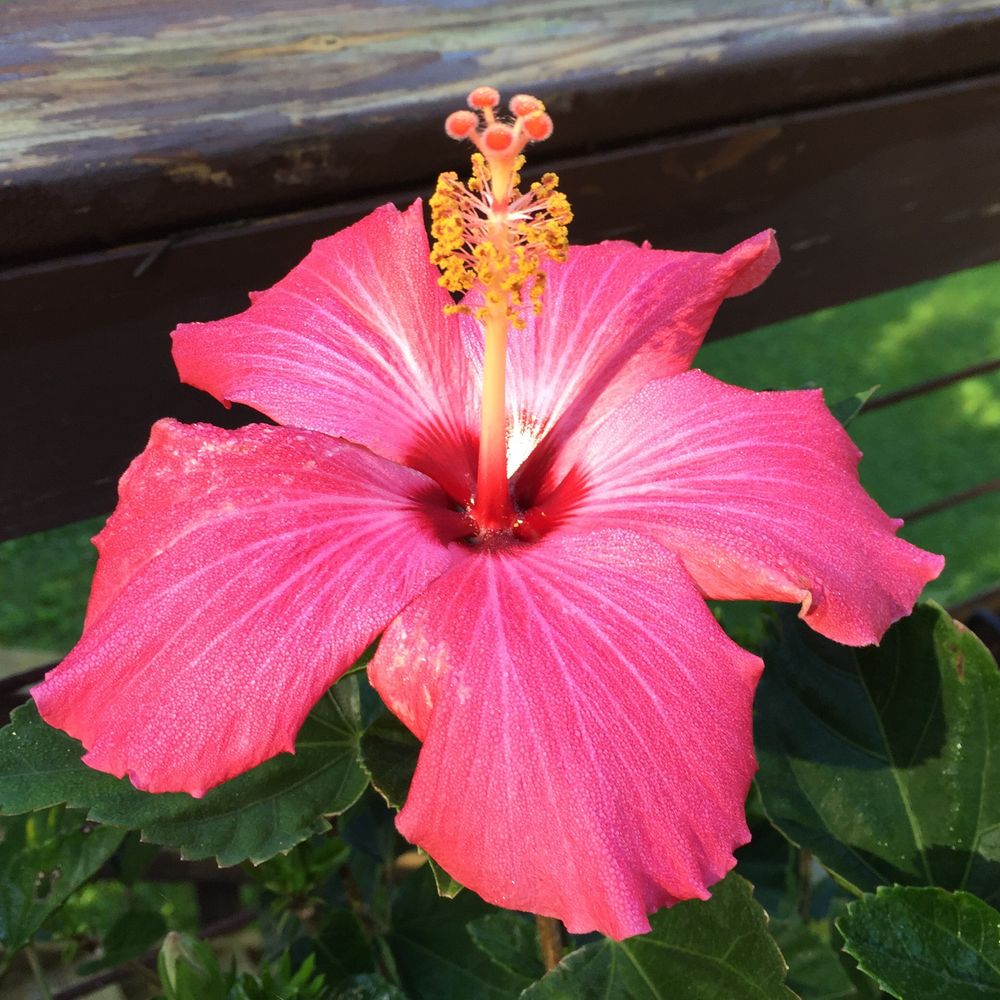
Hibiscus fragilis is a species of flowering plant in the mallow family, Malvaceae, that is native to the southeastern United States. It is a small, delicate shrub that produces showy pink flowers with a dark red center. The leaves are green and have a slightly hairy texture.
Plant Care Instructions
Outdoor Size Range
3-6 feet (0.9-1.8 m)
Light Requirements
Hibiscus fragilis requires full sun to partial shade. It is important to protect the plant from strong winds, as the delicate stems can break easily.
Humidity Needs
Hibiscus fragilis prefers high humidity levels, so it is recommended to mist the plant regularly. Placing a tray of water near the plant can also help to increase humidity levels.
Fertilizing Schedule
The plant should be fertilized regularly during the growing season with a balanced fertilizer. It is important to follow the instructions on the fertilizer packaging to avoid over-fertilizing the plant.
Pruning Guidelines
Hibiscus fragilis should be pruned regularly to promote bushy growth and to remove any dead or damaged branches. Pruning should be done in the early spring before new growth begins.
Common Pests and Diseases
Common pests that can affect Hibiscus fragilis include aphids, spider mites, and whiteflies. Diseases that can affect the plant include root rot and powdery mildew.
Indoor Size Range
12-24 inches (30.5-61 cm)
Watering Schedule
The plant should be watered regularly, but not overwatered. The soil should be kept moist but not waterlogged.
Temperature Range
The plant can tolerate a range of temperatures, but prefers warm temperatures between 60-85°F (15.5-29.4°C). It is important to protect the plant from frost and freezing temperatures.
Growing Season
The growing season for Hibiscus fragilis is from spring to fall. The plant goes dormant during the winter months.
Growing Difficulty Level
Hibiscus fragilis is considered to be moderately difficult to grow. It requires specific growing conditions and regular maintenance in order to thrive.
USDA Hardiness Zones
Hibiscus fragilis is hardy in USDA zones 8-10.
Did You Know?
Hibiscus fragilis is also known as the 'swamp rosemallow' due to its preference for wet, swampy conditions.
