Special Web Offer - Get 50% OFF!
Grab Your Deal Now
PlantSnap
Plant Care
Hibiscus
(Hibiscus elsworthii)
Also Known As
Hibiscus, Elworthy’s hibiscus, Malvaceae
About This Plant
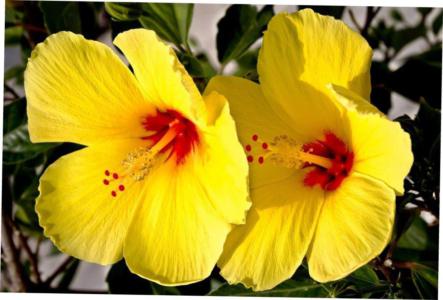
Hibiscus elsworthii is a flowering plant species that belongs to the family Malvaceae. It is a shrub that grows up to 3 meters tall and has a spread of about 1.5 meters. The leaves are dark green, glossy, and have a leathery texture. The flowers are large, showy, and have a bright yellow color with a maroon center. The plant blooms from late summer to early fall.
Plant Care Instructions
Outdoor Size Range
6-10 feet (1.8-3 meters)
Light Requirements
Hibiscus elsworthii requires full sun to partial shade. It needs at least 6 hours of direct sunlight per day. If grown indoors, it should be placed near a south-facing window.
Humidity Needs
Hibiscus elsworthii prefers moderate to high humidity levels. It can benefit from misting the leaves with water or placing a tray of water near the plant to increase humidity.
Fertilizing Schedule
Feed Hibiscus elsworthii every two weeks during the growing season with a balanced fertilizer that is high in potassium. Reduce fertilization in the winter months.
Pruning Guidelines
Prune Hibiscus elsworthii in the early spring to remove any dead or damaged branches. Pinch back the tips of the branches to promote bushier growth and more flowers.
Common Pests and Diseases
Common pests that can affect Hibiscus elsworthii include aphids, spider mites, whiteflies, and mealybugs. Diseases that can affect this plant include leaf spot, powdery mildew, and root rot.
Indoor Size Range
36-48 inches (91-122 cm)
Watering Schedule
The soil should be kept consistently moist but not waterlogged. Water the plant deeply once a week or whenever the top inch of soil feels dry to the touch. Avoid getting water on the leaves as this can cause fungal diseases.
Temperature Range
Hibiscus elsworthii thrives in warm temperatures between 60-90°F (15-32°C). It is not frost-tolerant and should be protected from temperatures below 40°F (4°C).
Growing Season
The growing season for Hibiscus elsworthii is from late spring to early fall.
Growing Difficulty Level
Hibiscus elsworthii is moderately difficult to grow. It requires consistent watering and fertilization, as well as protection from pests and diseases.
USDA Hardiness Zones
Hibiscus elsworthii is hardy in USDA zones 9-11.
Did You Know?
Hibiscus elsworthii is named after the British botanist, Frederick Elworthy, who discovered the plant in 1908 while on an expedition to the Solomon Islands.
