Special Web Offer - Get 50% OFF!
Grab Your Deal Now
PlantSnap
Plant Care
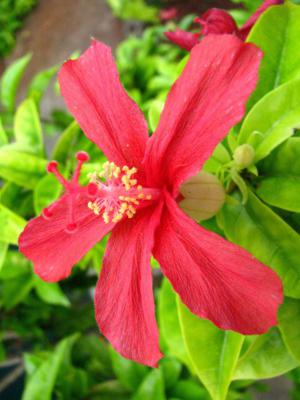
Clay's hibiscus
(Hibiscus clayi)
Also Known As
Clay's hibiscus, Clay's rosemallow, Clay hibiscus
About This Plant
The Hibiscus clayi plant species is a deciduous shrub native to the southeastern United States. It grows up to 10 feet tall and has large, showy flowers that are typically pink or white in color.
Plant Care Instructions
Outdoor Size Range
6-10 feet (1.8-3 meters)
Light Requirements
Hibiscus clayi plants require full sun to partial shade.
Humidity Needs
Hibiscus clayi plants prefer moderate humidity levels.
Fertilizing Schedule
Fertilize Hibiscus clayi plants every 2-3 weeks during the growing season with a balanced fertilizer.
Pruning Guidelines
Prune Hibiscus clayi plants in late winter or early spring to remove any dead or damaged branches. Pinch back the tips of the branches to encourage bushier growth.
Common Pests and Diseases
Common pests that can affect Hibiscus clayi plants include aphids, spider mites, and whiteflies. Diseases that can affect the plant include leaf spot and root rot.
Indoor Size Range
Not suitable for indoor growth.
Watering Schedule
Hibiscus clayi plants require moderate watering. Water the plant when the top inch of soil is dry to the touch.
Temperature Range
Hibiscus clayi plants prefer warm temperatures between 60-90°F (15-32°C).
Growing Season
The growing season for Hibiscus clayi plants is from late spring to early fall.
Growing Difficulty Level
Hibiscus clayi plants are moderately difficult to grow.
USDA Hardiness Zones
Hibiscus clayi plants are hardy in USDA zones 8-10.
Did You Know?
The flowers of the Hibiscus clayi plant are edible and can be used to make a tangy tea.
