Special Web Offer - Get 50% OFF!
Grab Your Deal Now
PlantSnap
Plant Care
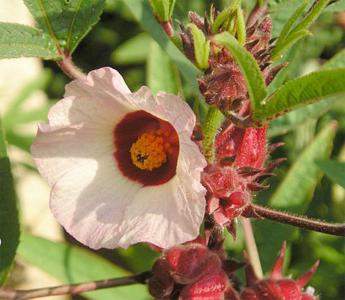
Desert rosemallow
(Hibiscus aridus)
Also Known As
Desert rosemallow, Desert hibiscus, Tropical hibiscus, Hibiscus of the desert
About This Plant
Hibiscus aridus is a flowering plant species native to the Sonoran Desert in the southwestern United States and northwestern Mexico. It is a shrub that can reach up to 6 feet (1.8 meters) in height and has grey-green leaves. The flowers are large and showy, with five petals that range in color from pale pink to deep magenta.
Plant Care Instructions
Outdoor Size Range
3-6 feet (0.9-1.8 meters)
Light Requirements
Hibiscus aridus requires full sun to thrive. It needs at least 6 hours of direct sunlight per day.
Humidity Needs
Hibiscus aridus prefers low humidity environments and can tolerate dry air.
Fertilizing Schedule
Hibiscus aridus benefits from regular fertilization during the growing season with a balanced fertilizer.
Pruning Guidelines
Pruning is not necessary for Hibiscus aridus, but it can be done to control the size and shape of the plant.
Common Pests and Diseases
Common pests for Hibiscus aridus include spider mites, whiteflies, and aphids. Diseases that can affect this plant include root rot and fungal infections.
Indoor Size Range
Not suitable for indoor cultivation
Watering Schedule
This plant is drought-tolerant and can survive long periods without water. However, it will grow best with regular watering, especially during the blooming season.
Temperature Range
This plant can tolerate high temperatures up to 110°F (43°C) and low temperatures down to 20°F (-7°C).
Growing Season
The growing season for Hibiscus aridus is from spring to fall.
Growing Difficulty Level
Hibiscus aridus is relatively easy to grow and care for, making it a good choice for novice gardeners.
USDA Hardiness Zones
Hibiscus aridus is hardy in USDA zones 9-11.
Did You Know?
The flowers of Hibiscus aridus are edible and can be used to make tea or added to salads for a pop of color.
