Special Web Offer - Get 50% OFF!
Grab Your Deal Now
PlantSnap
Plant Care
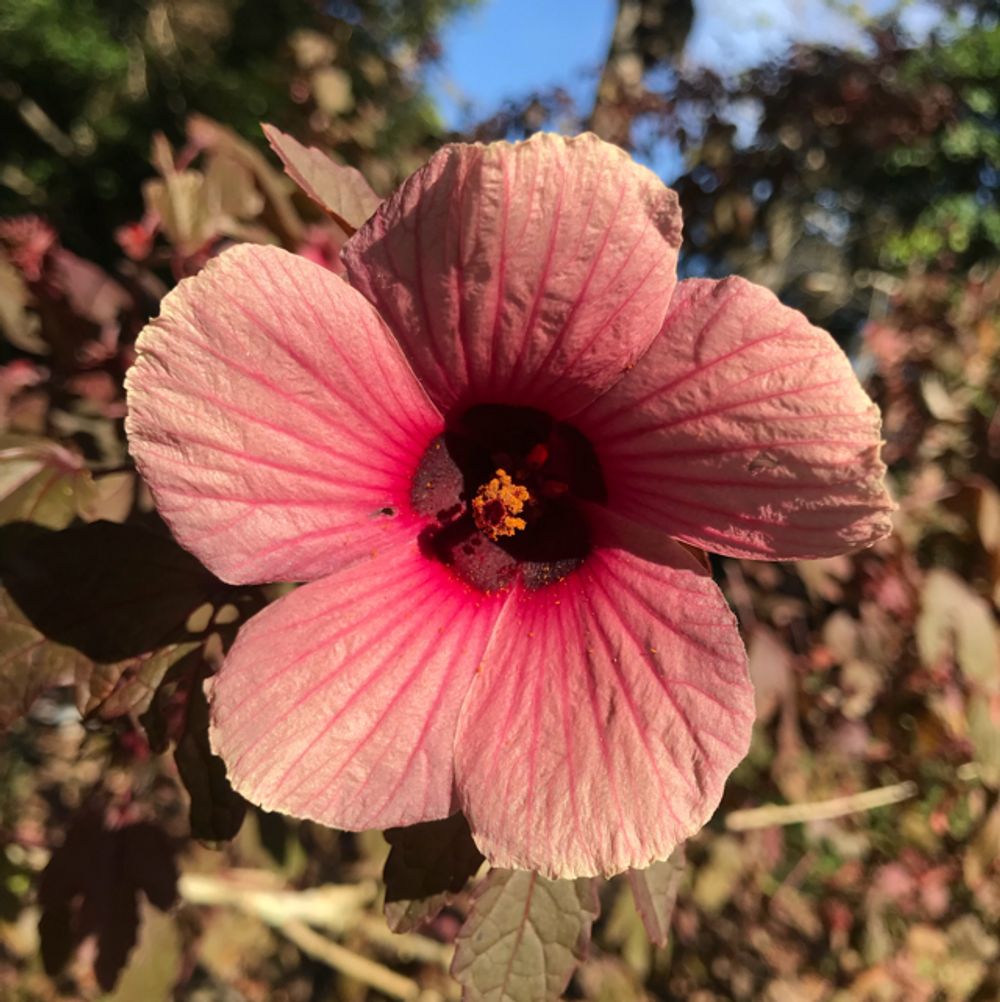
Cranberry hibiscus
(Hibiscus acetosella)
Also Known As
Cranberry hibiscus, Red leaf hibiscus, African rose mallow, False roselle
About This Plant
Hibiscus acetosella is a flowering plant species native to Africa. It is an upright, bushy, deciduous shrub that can grow up to 6 feet (1.8 meters) tall and 4 feet (1.2 meters) wide. The leaves are deeply lobed and have a reddish-purple color. The flowers are also reddish-purple and have a hibiscus-like shape.
Plant Care Instructions
Outdoor Size Range
48-72 inches (122-183 cm)
Light Requirements
Hibiscus acetosella requires full sun to partial shade. It prefers at least 6 hours of direct sunlight per day.
Humidity Needs
Hibiscus acetosella prefers moderate to high humidity levels. You can increase humidity by placing a tray of water near the plant or by misting it regularly.
Fertilizing Schedule
Fertilize Hibiscus acetosella every 2-3 weeks during the growing season with a balanced fertilizer. Reduce fertilization during the winter months.
Pruning Guidelines
Prune Hibiscus acetosella in the spring to control its size and shape. Remove any dead or diseased wood and cut back any leggy growth.
Common Pests and Diseases
Common pests that can affect Hibiscus acetosella include spider mites, aphids, and whiteflies. Diseases that can affect it include leaf spot and powdery mildew.
Indoor Size Range
24-48 inches (61-122 cm)
Watering Schedule
Hibiscus acetosella prefers moist soil. Water it regularly, but do not overwater it as this can lead to root rot.
Temperature Range
Hibiscus acetosella prefers warm temperatures between 60-80°F (15-27°C). It cannot tolerate frost.
Growing Season
The growing season for Hibiscus acetosella is from spring to fall.
Growing Difficulty Level
Hibiscus acetosella is moderately difficult to grow. It requires specific temperature, watering, and light conditions to thrive.
USDA Hardiness Zones
Hibiscus acetosella is hardy in USDA zones 9-11.
Did You Know?
In some African countries, Hibiscus acetosella leaves are used to make a tangy tea known as 'sour tea' or 'Roselle'.
