Special Web Offer - Get 50% OFF!
Grab Your Deal Now
PlantSnap
Plant Care
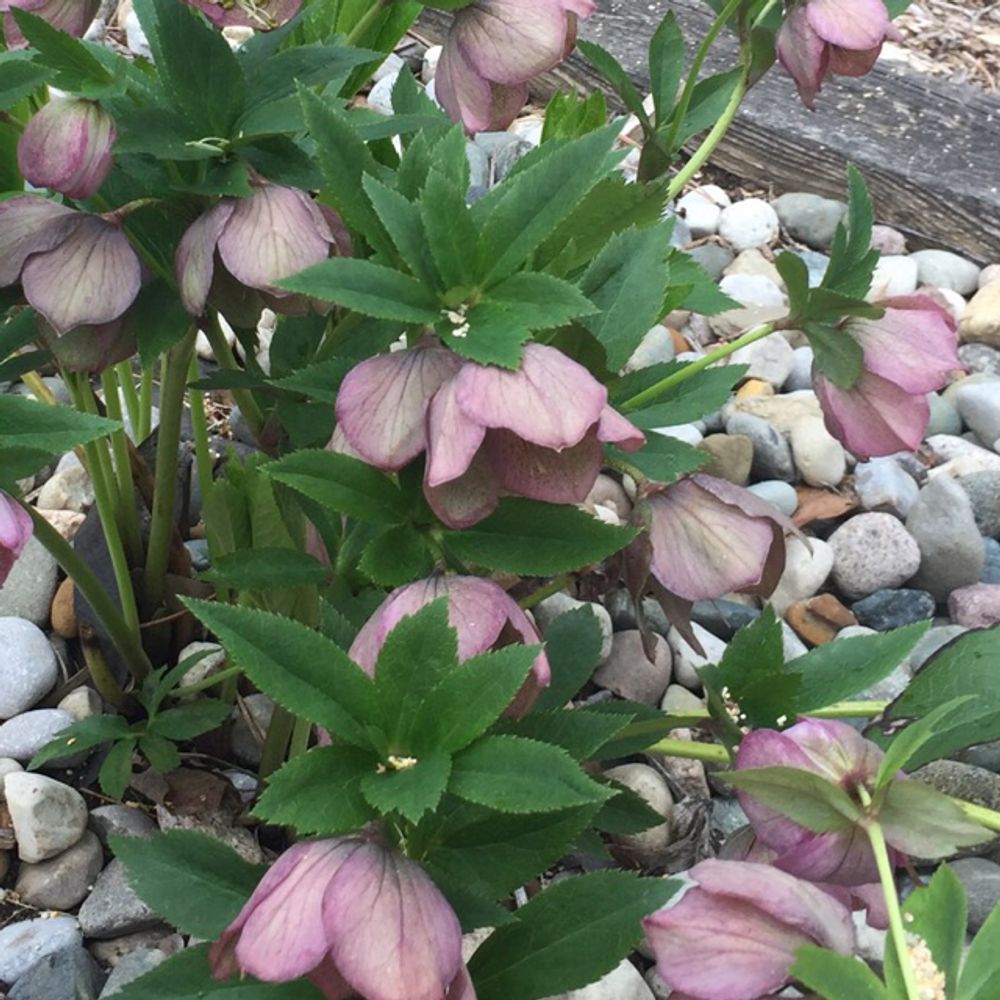
Lenten rose
(Helleborus orientalis)
Also Known As
Lenten rose, Christmas rose, Oriental hellebore
About This Plant
Helleborus orientalis is a species of flowering plant in the buttercup family Ranunculaceae, native to Greece and Turkey. It is a clump-forming perennial that produces leathery, evergreen leaves and bowl-shaped flowers that bloom in late winter or early spring.
Plant Care Instructions
Outdoor Size Range
18-24 inches (45-60 cm)
Light Requirements
Helleborus orientalis prefers partial to full shade, but can tolerate some morning sun. Avoid placing it in direct afternoon sun as it can scorch the leaves.
Humidity Needs
Helleborus orientalis prefers moderate humidity levels, but can tolerate lower levels.
Fertilizing Schedule
Fertilize in early spring with a slow-release fertilizer formulated for flowering plants.
Pruning Guidelines
Remove any damaged or yellow leaves as needed. Cut back the old foliage to the ground in late winter or early spring to make way for new growth.
Common Pests and Diseases
Helleborus orientalis is relatively pest and disease free, but can be susceptible to aphids and slugs.
Indoor Size Range
12-24 inches (30-60 cm)
Watering Schedule
Keep the soil consistently moist but not waterlogged. Water deeply once a week, and more frequently during hot, dry weather.
Temperature Range
This plant prefers cool temperatures between 50-65°F (10-18°C). It can tolerate warmer temperatures up to 75°F (24°C), but may suffer in extreme heat.
Growing Season
Helleborus orientalis blooms in late winter or early spring.
Growing Difficulty Level
Helleborus orientalis is a moderately easy plant to grow, but can be challenging to establish. It requires well-draining soil and consistent moisture.
USDA Hardiness Zones
Helleborus orientalis is hardy in USDA zones 4-9.
Did You Know?
The common name 'Lenten rose' comes from the fact that the plant blooms around the time of Lent in the Christian calendar, and the flower resembles a rose despite not being related to the rose family.
